Creating This Music Video
Authorship in the Age of Generative Media
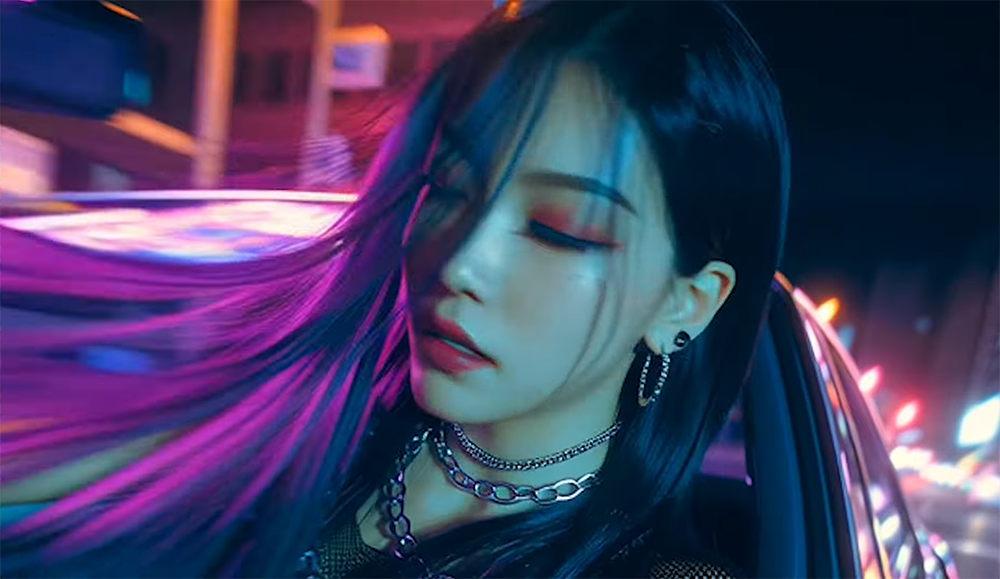
For most of modern media history, authorship has operated like ownership. Films had directors, books had writers, albums had artists. The public could interpret a work, but never construct it. The tools of production were expensive and specialized, creating gatekeeping around who could meaningfully contribute to media. Audiences observed. Artists created. My project, NIGHTFLOWER, is my attempt to step into the shift this course has been tracking: authorship no longer as singular ownership, but as hybrid influence—a layered network of human intention, machine generation, and audience interpretation. My concept of "letting the human creatively decided" uses AI not to replace creative decision-making, but to expose how decisions are distributed across tools, prompts, edits, and viewer interpretation. Where traditional media presents an illusion of a lone creator, this project treats the creative process itself as part of the text. The Concept and the Process On the surface, NIGHTFLOWER is music video that explores Korean K-Pop mixed with gothic style. But conceptually, it is a meditation on how stories are assembled in the age of generative media. The project functions on two layers: the narrative, visual, and emotional; and the meta-authorship—an argument that this piece requires human-machine collaboration, yet that collaboration still demands human ethical framing. My process was intentionally hybrid. I began with the parts that must remain human-led: the core theme, emotional arc, and message I'm accountable for. I pushed and pulled ideas with chat GPT based off of real world experiences that I have recently been going through in my life, and clarified the intended audience experience. This established my "north star" - a way to measure whether AI outputs served the concept or diluted it. I then moved into AI-assisted creation for audio and visuals using Midjourney, Runway, Suno, and Chat GPT. The key was not treating AI as a magic vending machine, but as a collaborator. I generated many options and asked: Which versions align with my theme? Which introduce productive friction? Which feel like "AI noise"? This prevented me from defaulting to whatever the algorithm produced readily. Authorship became visibly distributed here. Even a single image felt like a negotiated result between my language, the model's training history, and the platform's aesthetic defaults. I was learning to speak to the AI in ways that surfaced possibilities I hadn't anticipated but recognized as valuable. The most important authorship step was selection and revision. I refined outputs through color, compositing, pacing, and sound design, and assembled them into a coherent structure. If AI is a generator of possibility, then I was the meaning-maker. I don't claim sole creation of every asset, but I do claim ownership of the framing—what I included, what I rejected, and what I'm asking the audience to interpret. The curation itself is authorship. Because the work is interpretive, the audience shapes the final version. Their choices, and emotional associations complete the work. The "final author" is no longer a single name, but a system of creative agents.
Engaging Course Themes
This course emphasizes that AI expands authorship into a collaborative ecosystem. My project demonstrates that idea through both form and philosophy. The work embodies the shift from single creator to network. Meaning emerges from the interplay between my decisions, AI's generative patterns, and audience interpretation. This is not a dilution of creative vision; it is a more honest representation of how meaning is actually made. I approached prompting, curation, and editing as craft, not shortcut. This reflects the course's emphasis on understanding AI as a medium with its own grammar. Learning to work with generative tools meant developing new skills: writing prompts that elicit useful variations, recognizing which outputs serve the narrative, and editing machine-generated content with rigor. One risk of generative tools is aesthetic flattening—technically impressive but culturally generic content. I resisted that by grounding every AI element in narrative purpose and insisting on consistent internal logic. The goal was not to show what AI can make, but how human constraints make AI outputs meaningful. Even with machine outputs, the creator remains accountable for impact. This project argues that ethics can't be outsourced to tools. The question I kept returning to was: What am I endorsing by including this element? That mindset shaped my final assembly. Redefining Authorship Working this way changed my definition of "making." I didn't lose authorship; I relocated it—from "I made every pixel" to "I designed the system, meaning, and experience." Creative labor became orchestration, taste, responsibility, and narrative clarity rather than manual production. If older models rewarded mastery over scarce tools, this model rewards mastery over choices. The real art is not generating content—it is composing significance out of abundance. In a world where images and text can be generated at scale, scarcity shifts from tools to coherent vision, emotional authenticity, and deliberate editorial choices. Conclusion NIGHTFLOWER responds to the course's central argument: AI doesn't end authorship; it rearranges it. The work is hybrid in both form and philosophy. It uses machine generation to expand possibility, but relies on human intention to create coherence and ethical purpose. I want viewers to understand two things simultaneously: first, that the piece is emotionally and conceptually deliberate; and second, that its authorship is clearly plural. Not because responsibility is diluted, but because meaning in contemporary media is built through shared agency. The project uses AI to make the politics of authorship visible—an argument, in form and content, about what it means to create when creation itself is fundamentally collaborative.