A big part of the digital world is reading, text, but what if someone has some form of Reading Disability?

One of many extensions you can get that are “text to speech readers” is Read Aloud. Read Aloud is a Chrome extension that will integrate itself onto your PC. It has the ability to read PDF, Google Docs, Google Play books, Amazon Kindle, and EPUB.
Text to speech readers can help with more than just reading disabilities in general. Some disabilities, such as ADHD and Autism, can have a hard time focusing on the words they read and end up having to re-read things. With a text to speech reader, they are able to listen to the words they read as well, making it probably easier to obtain the information.
Some devices, such as anything under the jurisdiction of Windows, commonly contain setting controls that can help modify someone's viewing in order to better accommodate how words can be presented on their screen. This includes the ability to change the base size, color, and thickness of text that appears on your screen. It also includes the ability to change the color of text, which could help with not only reading disabilities, but possibly color blind disabilities as well.
Captions are a big part of the digital world's reading format, when pertaining to video consumption. Their percentage of helpfulness however depends on two factors. If they are not written by a human, it heavily depends on the AI’s ability to register the words and sounds in the video in order for the captions to be accurate and helpful. If they are written by a human they will be more accurate and charismatic, however they could contain the wrong, added, or spelt incorrectly information.
Audio Disabilities share a lot of platforms with reading, but they have their own as well.
Just like reading disabilities, people with audible disabilities might use text to speech readers too, but for slightly different reasons. As we have discussed before, people may use text to speech readers to listen to words to make them easier to read and understand. People with auditory disabilities may use them as well from having a hard time reading, but depending on if they are hard of hearing and such, they may use it as a way to try and listen better, setting the volume on high in order to probably get through the text easier.
People with auditory disabilities also rely on captions on videos. It can help them read and understand words that are being said that they might miss audibly when reading a video. Like stated in the reading category, captions' ability to be useful in this way depends on how accurate and descriptive they can be.
What about Physical Disabilities, do they affect someone's digital interactions?
Mental disabilities are not the only ones that traverse the internet. Some physical disabilities do not affect someone's ability to interact with the social world, but some do.
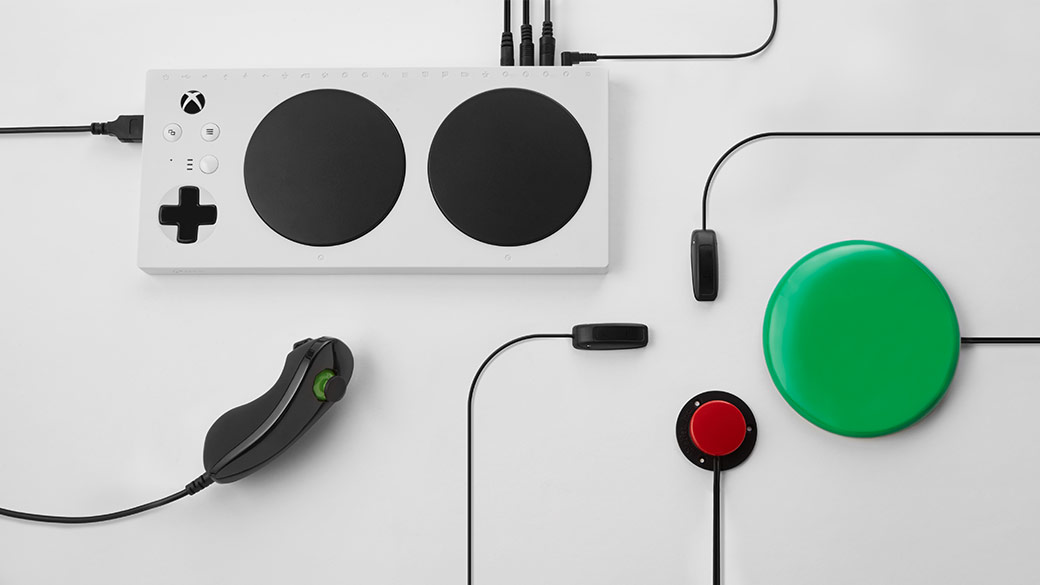
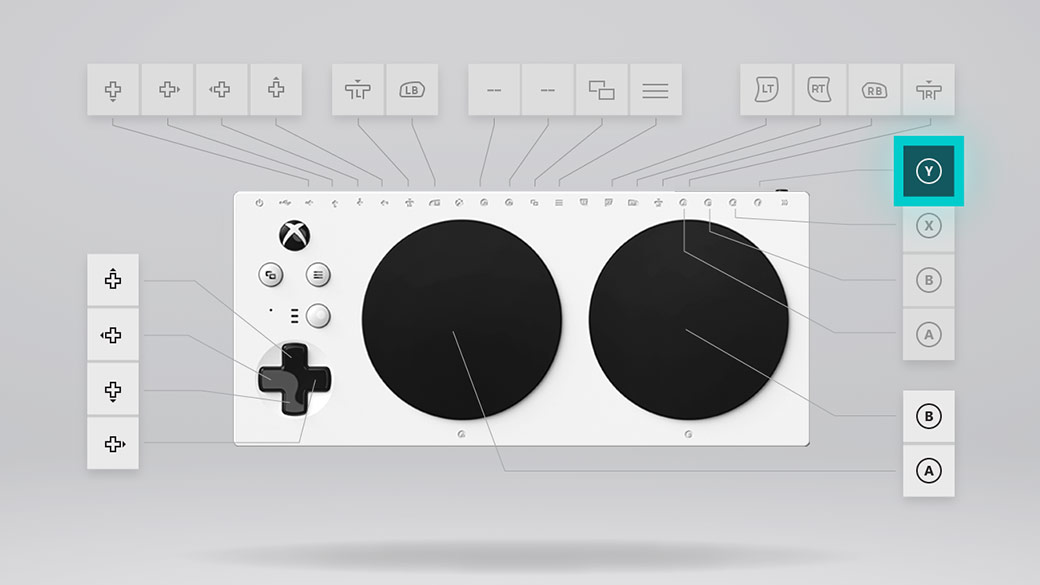
The gaming community in the digital world loves to try and be inclusive for physically disabled people who love games. A current big project to present this would be the Xbox Adaptive Controller. The Xbox Adaptive Controller is a controller that has been designed and developed to be adaptable to whoever wants to use it to game, almost no matter their physical state. Creator Spencer Allen, who had been paralyzed after an accident, designed numerous connectable controllers, buttons and switches that can be connected to the adaptive controller to fit the physical needs of whoever owns it, letting even someone with paralysis have the ability to play video games.
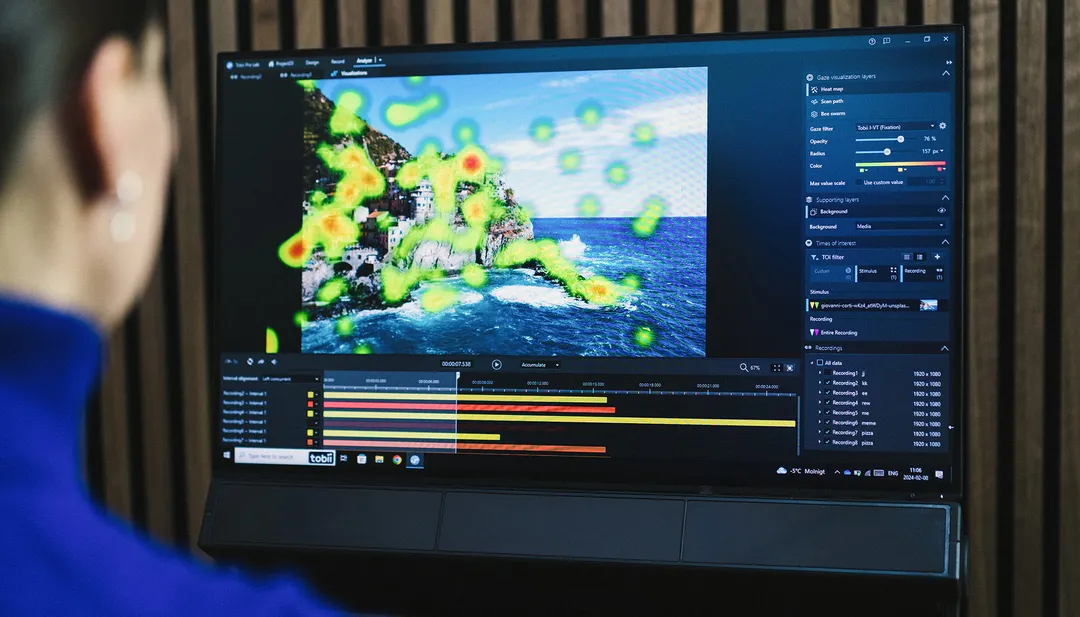
Some physical disabilities want a way to use the digital world, and not just video games. Eye tracking technology is something that has been developed that people can use instead of needing to move a mouse. With eye tracking technology, like Tobii Eye Tracking, for example, users can look at something on their screen and it will be registered through their camera to display where they are looking.
The digital world might have been created for all to use, but sometimes it needs help supporting some of its users. Disabilities, whether mental or physical, will sometimes need accommodations in the digital world. With applications, features and hardware like the ones we went over, those accommodations can sometimes be met.
Refrences:
Webpage Hand Codded by Jade.G