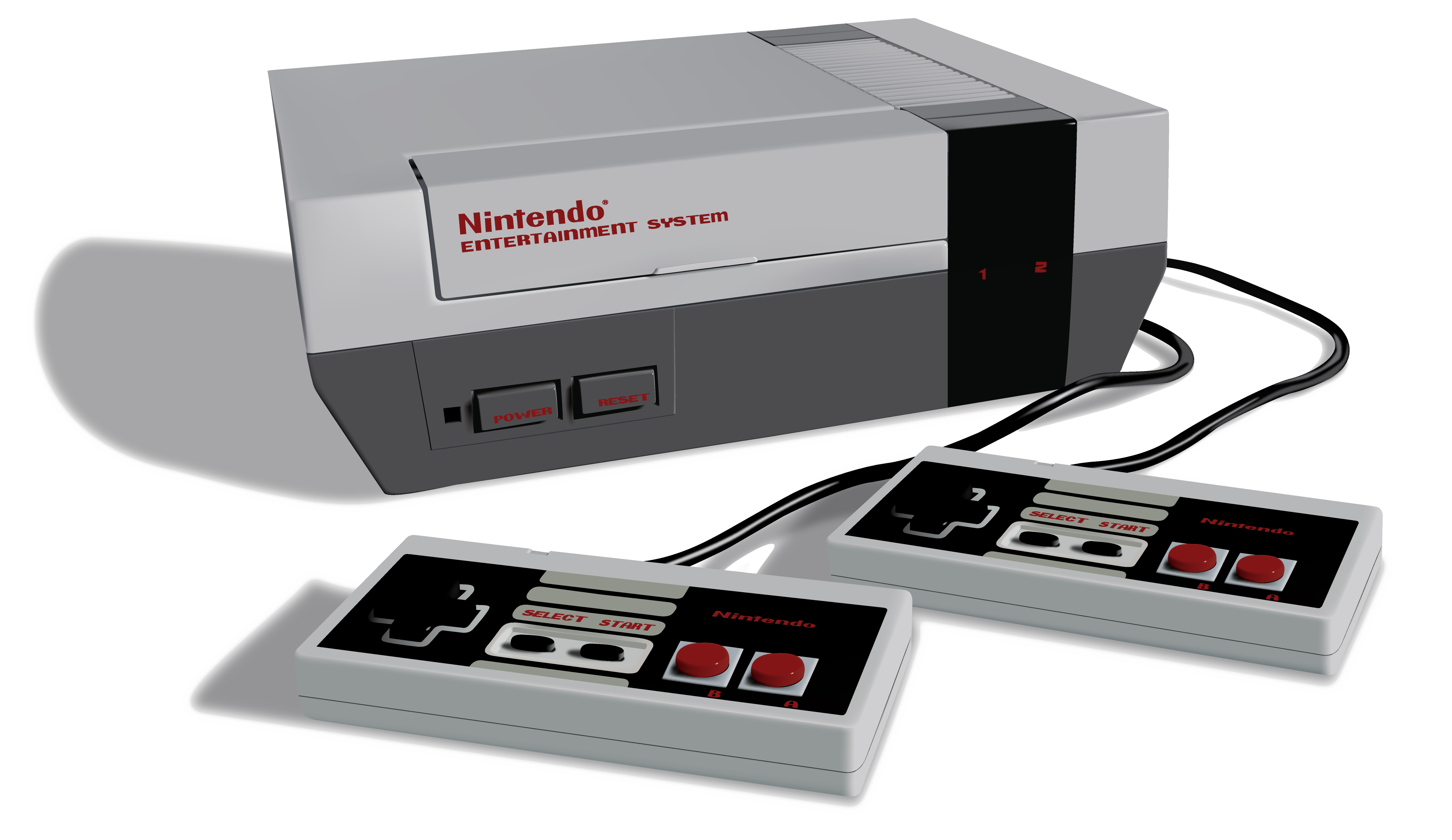
The History of Gaming: The 80's
The 80's were a time when video games were still a relatively new concept. The early forms of gaming were simple compared to what would come later, but several important events still occurred in this decade, helping to form the video game industry we have today.
Many early games consisted of basic visuals and simple mechanics. As the decade progressed, hardware and software advanced quickly, enabling more complex and engaging experiences.
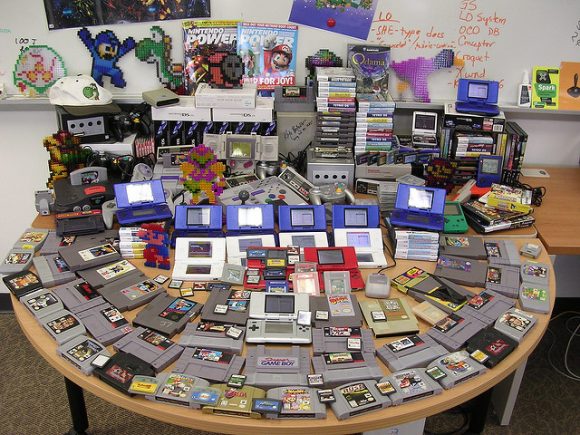
The Video Game Crash of 1983
The video game crash of 1983 was a significant recession for the industry that lasted roughly from 1983 to 1985. During that time, video game sales dropped sharply and several companies faced bankruptcy or restructuring.
Atari was among the companies hit hard by the downturn. The crash is often attributed to market oversaturation, since many low-quality titles and competing consoles competed against each other, confusing consumers, and discouraging them from buying new games.
As a result, game prices began to fall, due to demand for new games dwindling and retailers being unable to sell excess stock.
Not every company faltered as a result of the video game crash though. In fact, personal computer sales saw an increase in 1983, due to multiple factors, including computers being able to do more than just play video games, as well as becoming less expensive and more developers beginning to make software for the PC (or later on, the Macintosh) platform.
Commodore used their own factories to make computers and produced their own processors and motherboards, cutting costs and meaning they were able to control more of their production line, launching the Commodore 64 at a price of $595, surprisingly still being one of the lower-cost computers on the market at the time.
Apple's Apple II would see some success from being used in schools, but little interest from consumers, with their later Macintosh series of computers selling more units.
Later, the price of the Commodore 64 would drop to even lower price points, and the company was still able to make profits. The Commodore 64 now holds its place in history as the best selling personal computer of all time, even beating Apple's original Macintosh in sales, capturing an estimated 30-40% of the total personal computer market by 1986. This wouldn't last forever though, as Commodore would go bankrupt in 1994.
Personal computers began to gain traction during this period, and some developers began to shift focus away from consoles due to the shifting market.
Near the end of the crash, Nintendo's NES (or Famicom in Japan) arrived in North America and played a key role in revitalizing the home console market, with some crediting it as the reason why the console industry in North America bounced back entirely.
Sources: https://en.wikipedia.org/wiki/Video_game_crash_of_1983, https://www.nytimes.com/1983/10/17/business/video-games-industry-comes-down-to-earth.html, https://www.ataricompendium.com/archives/articles/crash/crash_coda.html, https://www.destructoid.com/on-the-1983-video-game-crash-context-matters/, https://www.howtogeek.com/820304/the-best-selling-pc-of-all-time-commodore-64-turns-40/, https://arstechnica.com/features/2005/12/total-share/, https://www.guinnessworldrecords.com/world-records/72695-most-computer-sales, https://lowendmac.com/2016/the-1983-home-computer-price-war/, https://www.fastcompany.com/90432140/how-atari-took-on-apple-in-the-1980s-home-pc-wars
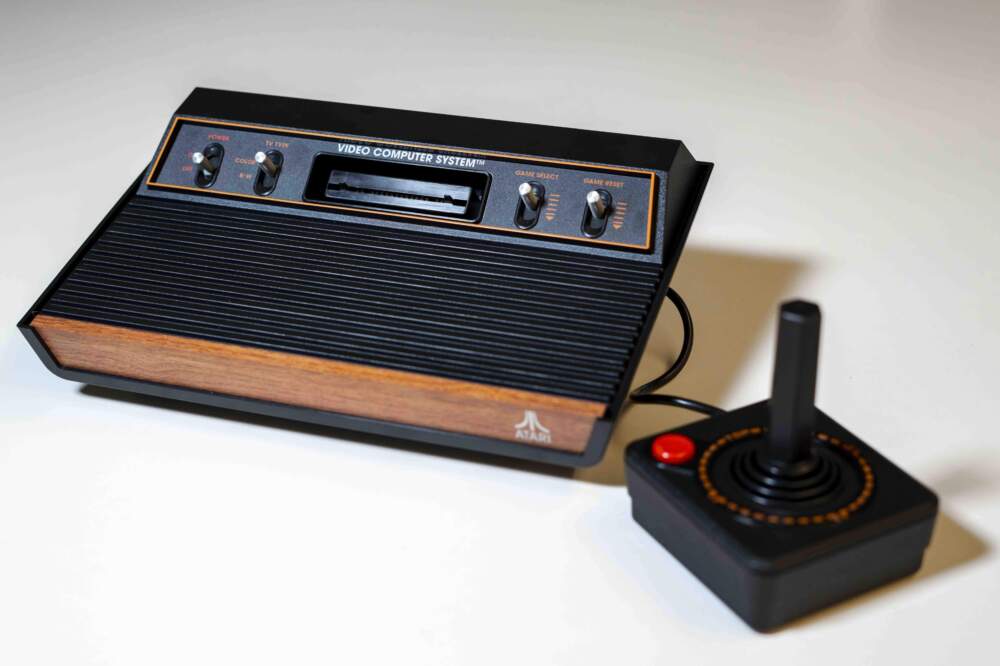
The Atari Burial
Following the crash, Atari found itself with large quantities of unsold Atari 2600 cartridges and other inventory. The newer Atari 5200 was not compatible with any of the older 2600 games, which only further compounded the problem.
To handle the surplus, Atari disposed of many cartridges and obsolete hardware by burying them in a New Mexico landfill. The event later drew media attention and spread rumors about what was buried inside, with some believing the event never occurred at all.
While the burial was long rumored to be only excess copies of E.T. The Extra Terrestrial and Pac-Man for the Atari 2600, other games as well as obsolete hardware were buried as well, some of which would later be recovered when the burial was unearthed and partially dug up in 2014, proving that the burial, which at this point had reached urban legend status, did really happen after all.
Curiously, even copies of arguably successful games like an Indiana Jones game and Centipede for the Atari 2600 were also found buried.
The excavation would later go on to be documented by the Henry Ford Project, as well as being a subject of the film Atari: Game Over, released in 2014. The film was originally published by Microsoft exclusively as a purchase through the Microsoft Store. It later became available to stream on Netflix.
Sources: https://en.wikipedia.org/wiki/Atari_video_game_burial, https://en.wikipedia.org/wiki/Atari:_Game_Over, https://www.thehenryford.org/explore/blog/atari-tomb/, https://www.wired.com/2014/04/atari-et-dig/, https://www.ign.com/articles/2014/04/26/the-dig-uncovering-the-atari-et-games-buried-in-new-mexico-desert, https://arstechnica.com/gaming/2014/04/landfill-excavation-unearths-years-of-crushed-atari-treasure/, https://www.wired.com/video/watch/game-life-excavating-the-atari-e-t-video-game-burial-site
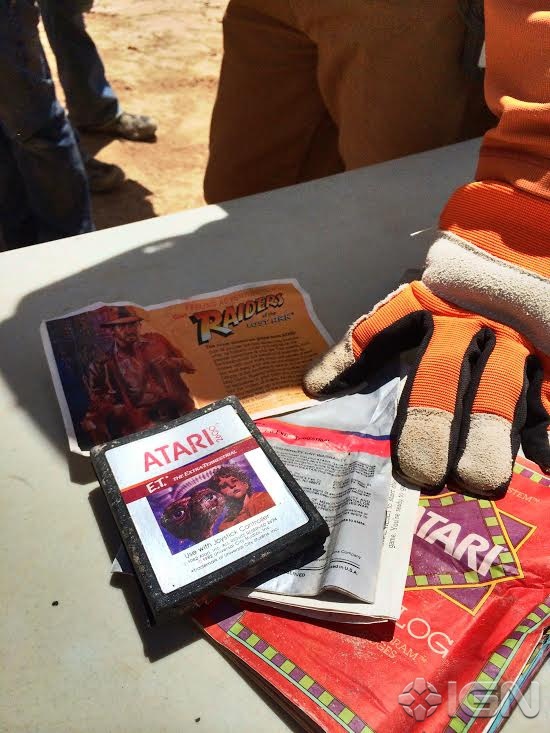
The Master System
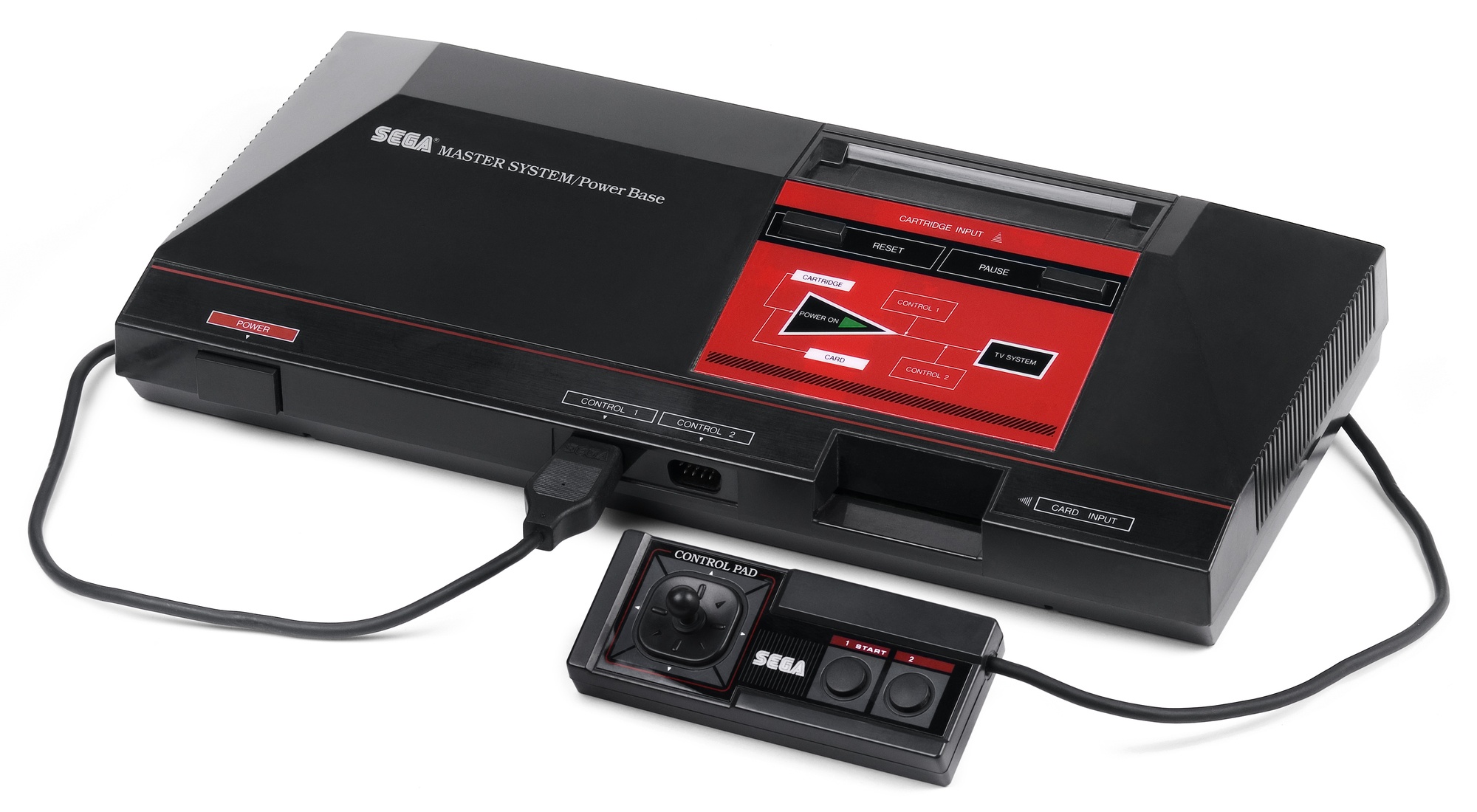
The Sega Master System was not Sega's first console, but it was the company's first to be released widely outside Japan. The system was a revision of earlier Sega hardware, specifically the Mark III, which was the third revision of Sega's First console, the SG-1000, also referred to as the Mark I. The Master System launched in 1985, with a North American release following in 1986.
Although the Master System found some success, it failed to reach the success of Nintendo's NES. One contributing factor was a smaller library of standout exclusive titles, since Sonic the Hedgehog, Sega's defining franchise, had not yet been launched.
Sega's most notable regional success came from a licensing and distribution partnership in Brazil with Tectoy. That deal allowed Sega hardware and games to be localized and sold broadly in Brazil. Tectoy was already an established toy brand in Brazil, and through a partnership with Sega, paid royalty fees in exchange for releasing localized version of the Master System, as well as over 30 games only releasing in Brazil, including unique ports of Mortal Kombat 3, Earthworm Jim, and Street Fighter 2.
Part of its popularity may have came from the fact Nintendo was much slower than Sega with making their consoles officially available in Brazil. Nintendo wouldn't release the NES officially in Brazil until the system was already discontinued elsewhere, meaning the only way to get a NES console with games at the time was to either expensively import the console and games from overseas, or to buy a local clone console, which were also capable of playing NES games and usually came with bootleg cartridges with games already on them.
In Comparison, Sega offered a legal way to buy their consoles and games, and the fact that the console was sold locally kept prices down, since expensive import fees on games and consoles wouldn't have to be paid. This is due to a policy from the government putting very high taxes on foreign goods, in a effort to encourage local production. Nintendo was much later to the party, officially releasing the SNES in Brazil in August of 1993, nearly 3 years after the console had released in Japan and almost two years after the console released in North America, missing the NES era entirely in Brazil. Because of Nintendo's late arrival to the Brazilian market, clone consoles of the NES flooded the local market, and when Nintendo finally did make their consoles available, they had already lost the market to Sega, and were helpless to stop the bootleg consoles from being sold.
Through the partnership with Tectoy, the Master System sold millions of units in Brazil and received local-only releases that helped sustain its popularity there even when it lagged behind the NES elsewhere. In fact, a total of 8 million consoles are estimated to have been sold in Brazil alone, close to the all time numbers worldwide, minus brazil, of 10-13 million total consoles sold. Though the console is still sold in Brazil today, some of the newer variations have games built in instead of a cartridge slot.
The partnership also included the later Sega Genesis console, along with the SEGA CD, Saturn, and Dreamcast, although none of them had the same level of success as the Master System, with CD-based piracy on the SEGA CD and Dreamcast further hurting sales, due to the Sega Dreamcast's flawed copy protection and the SEGA CD lacking it entirely. The Sega Genesis was the second best selling console through the partnership, but Tectoy still eventually chose to focus on the Master System specifically, eventually discontinuing sales of other systems besides the master system altogether. Of the systems, the Sega Saturn was the hardest to crack, and as a result had a lower amount of piracy, but still didn't sell particularly well in the region. A solution exists now called Pseudo Saturn, which uses modded Action Replay cartridges to run burned games on the Saturn, but this method wasn't available until over a decade after the consoles original release.
Sources: https://en.wikipedia.org/wiki/Tectoy, https://gamerant.com/brazilian-exclusive-sega-master-system-games/, https://en.wikipedia.org/wiki/Master_System, https://en.wikipedia.org/wiki/Super_Nintendo_Entertainment_System, https://www.xda-developers.com/the-sega-master-system-is-still-being-made-and-sold-in-brazil-36-years-later/, https://racketboy.com/retro/sega-cd-101-a-beginners-guide, How the Sega Dreamcast Copy Protection Worked - And how it Failed | MVG, https://www.youtube.com/watch?v=rj56VU_VmWg, https://segaretro.org/Mega_Drive_consoles_in_South_America, https://ppcenter.webou.net/pskai/
The NES
The NES (Nintendo Entertainment System), also known as the Famicom in Japan, launched in Japan in 1983 and arrived in North America in October 1985 as a limited test release, only initially releasing in select markets in the United States. It would later have a nationwide release in September 1986.
The NES also included a lockout chip called the 10NES that was designed to prevent unlicensed or bootleg games from being played. However, the Famicom had no protection against pirated games, and the NES's lockout chip was eventually reverse engineered, leading the NES/Famicom to later become a popular console for unlicensed games.