Events Leading Up to the American Revolution
The American Revolution was an ideological and political revolution which occurred in colonial North America between 1765 and 1783.
The American colonists’ breakup with the British Empire in 1776 wasn’t a sudden, impetuous act. Instead, the banding together of the 13 colonies to fight and win a war of independence against the Crown was the culmination of a series of events, which had begun more than a decade earlier. Escalations began shortly after the end of the French and Indian War—known elsewhere as the Seven Years War in 1763. Here are a few of the pivotal moments that led to the American Revolution.
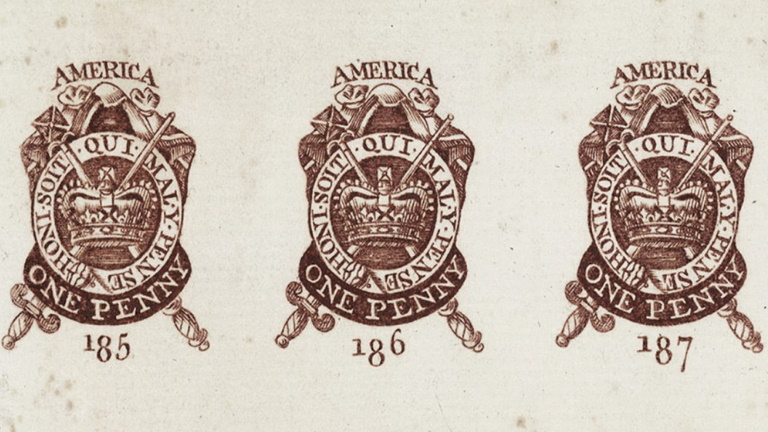
1. The Stamp Act (March 1765)
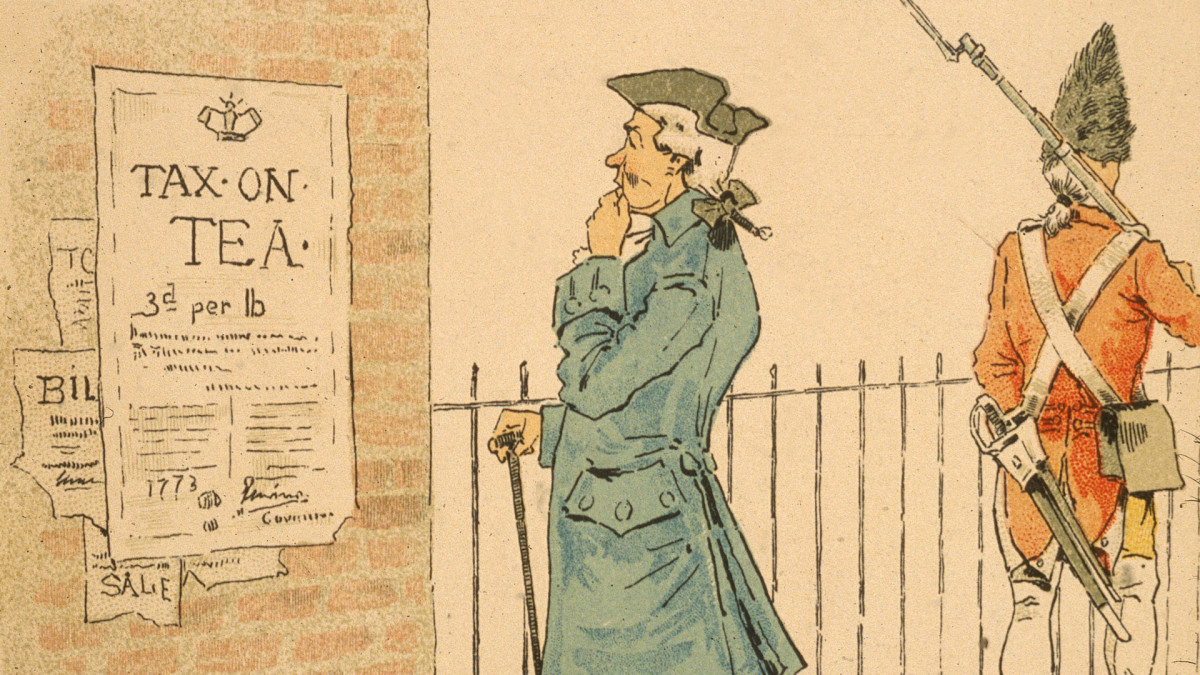
2. The Townshend Acts (June-July 1767)
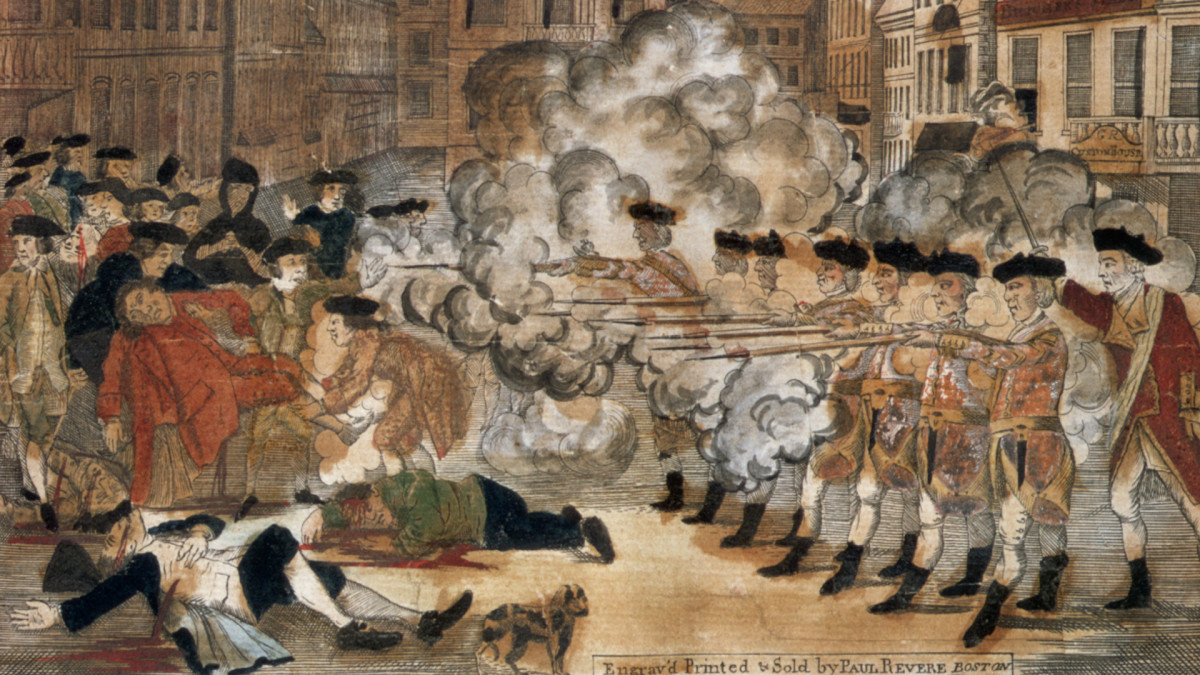
3. The Boston Massacre (March 1770)
Simmering tensions between the British occupiers and Boston residents boiled over one late afternoon, when a disagreement between an apprentice wigmaker and a British soldier led to a crowd of 200 colonists surrounding seven British troops. When the Americans began taunting the British and throwing things at them, the soldiers apparently lost their cool and began firing into the crowd.
As the smoke cleared, three men—including an African American sailor named Crispus Attucks—were dead, and two others were mortally wounded. The massacre became a useful propaganda tool for the colonists, especially after Paul Revere distributed an engraving that misleadingly depicted the British as the aggressors.
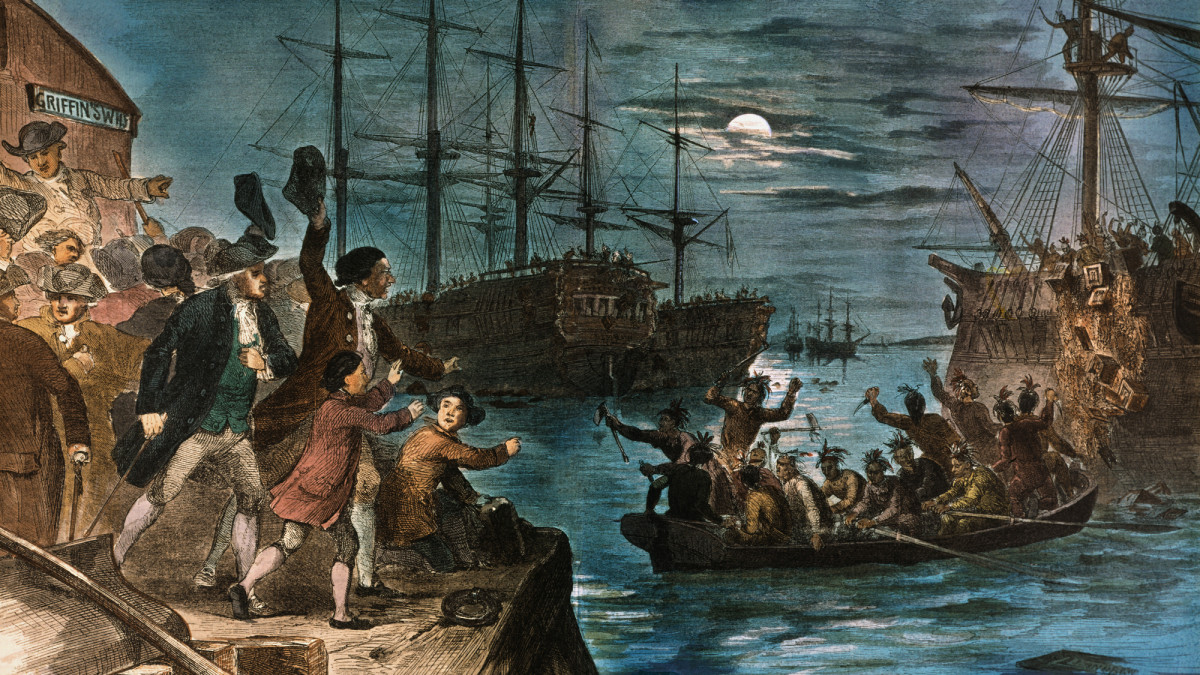
4. The Boston Tea Party (December 1773)
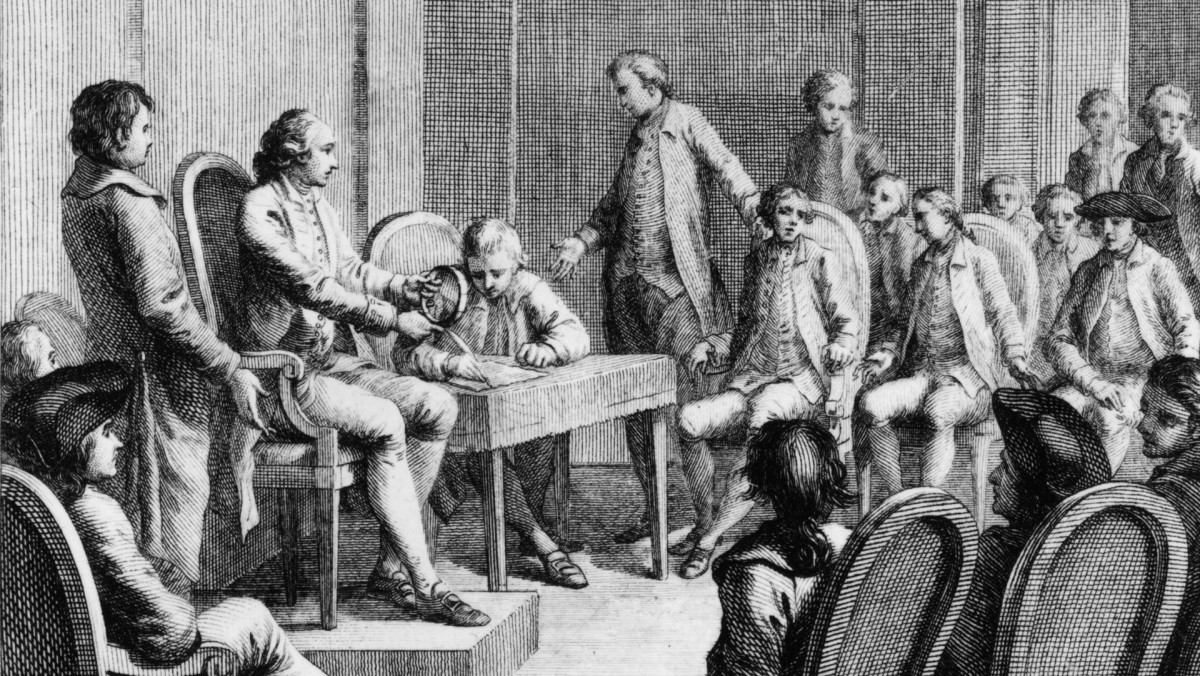
5. The Coercive Acts (March-June 1774)
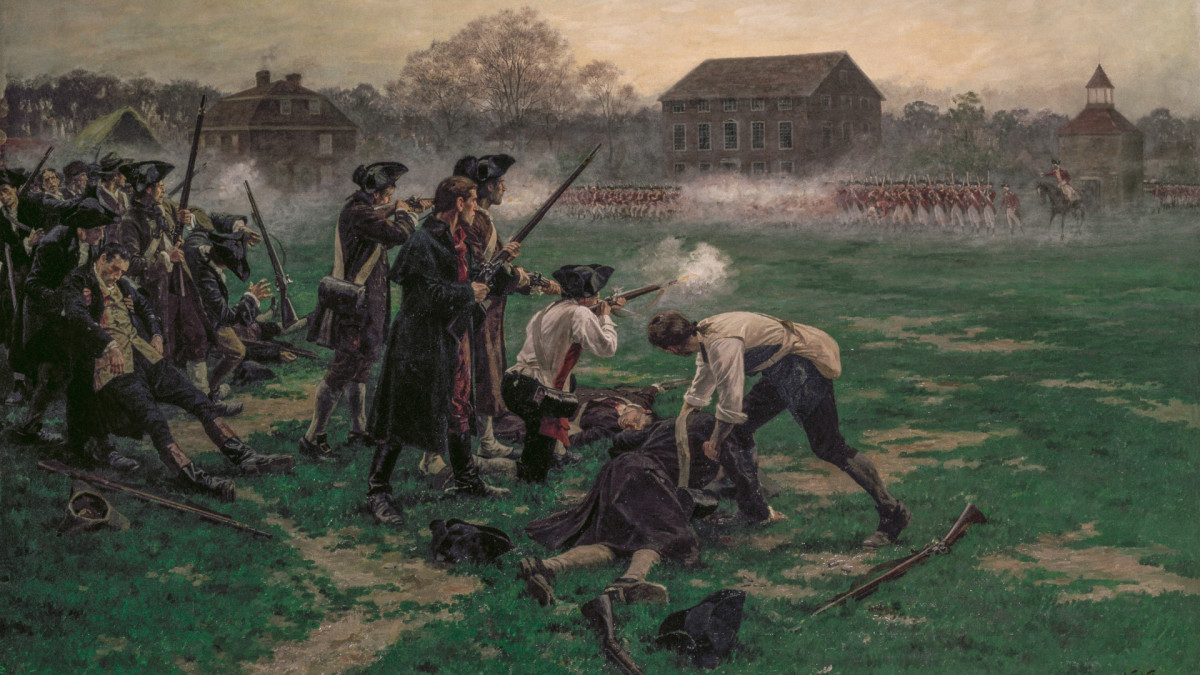
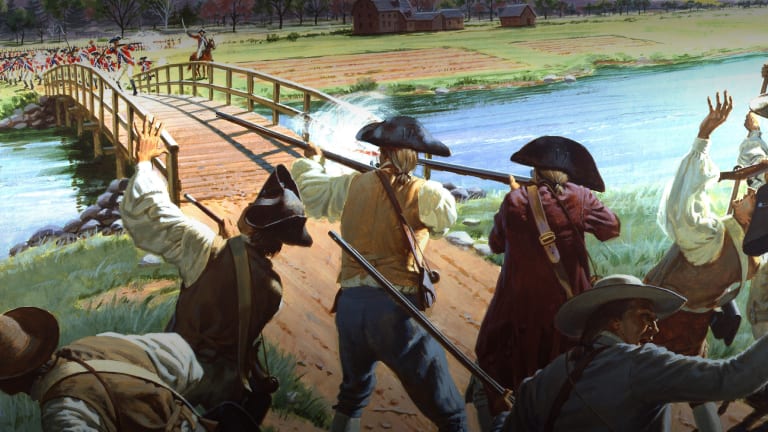
6. Lexington and Concord (April 1775)
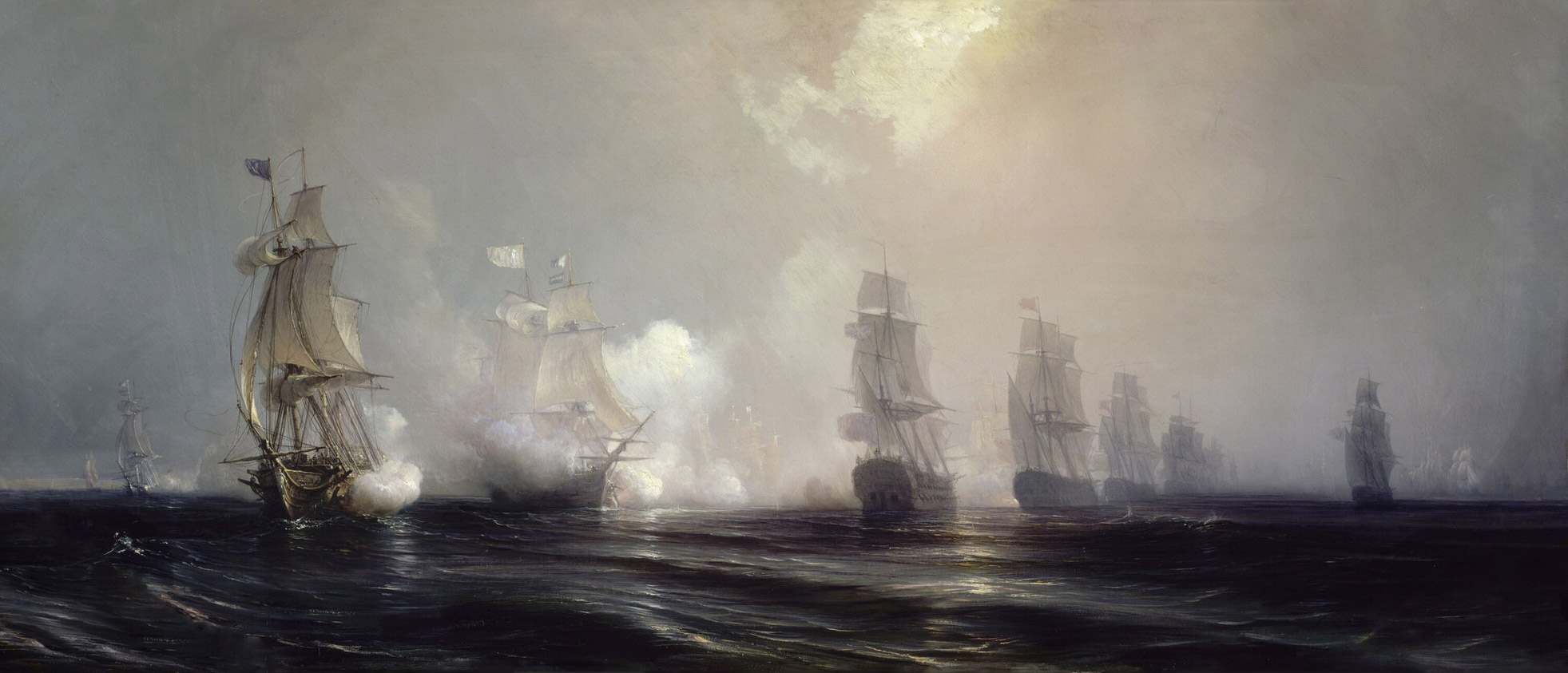
7. British attacks on coastal towns (October 1775-January 1776)
Though the Revolutionary War’s hostilities started with Lexington and Concord, Randall says that at the start, it was unclear whether the southern colonies, whose interests didn’t necessarily align with the northern colonies, would be all in for a war of independence.
Leaders of the rebellion seized the burnings of the two ports to make the argument that the colonists needed to band together for survival against a ruthless enemy and embrace the need for independence—a spirit that ultimately would hence lead to their victory.
by Tair Tedorov, source to the article is here.