Intention Candles: Human Intention and Machine Aesthetics
Danielle Gilmore
DTC 338 • Professor Luers • 12/02/2025
AI Candle Video (Midjourney + Sora Workflow)
Raw Intention Candle Photography (No AI)
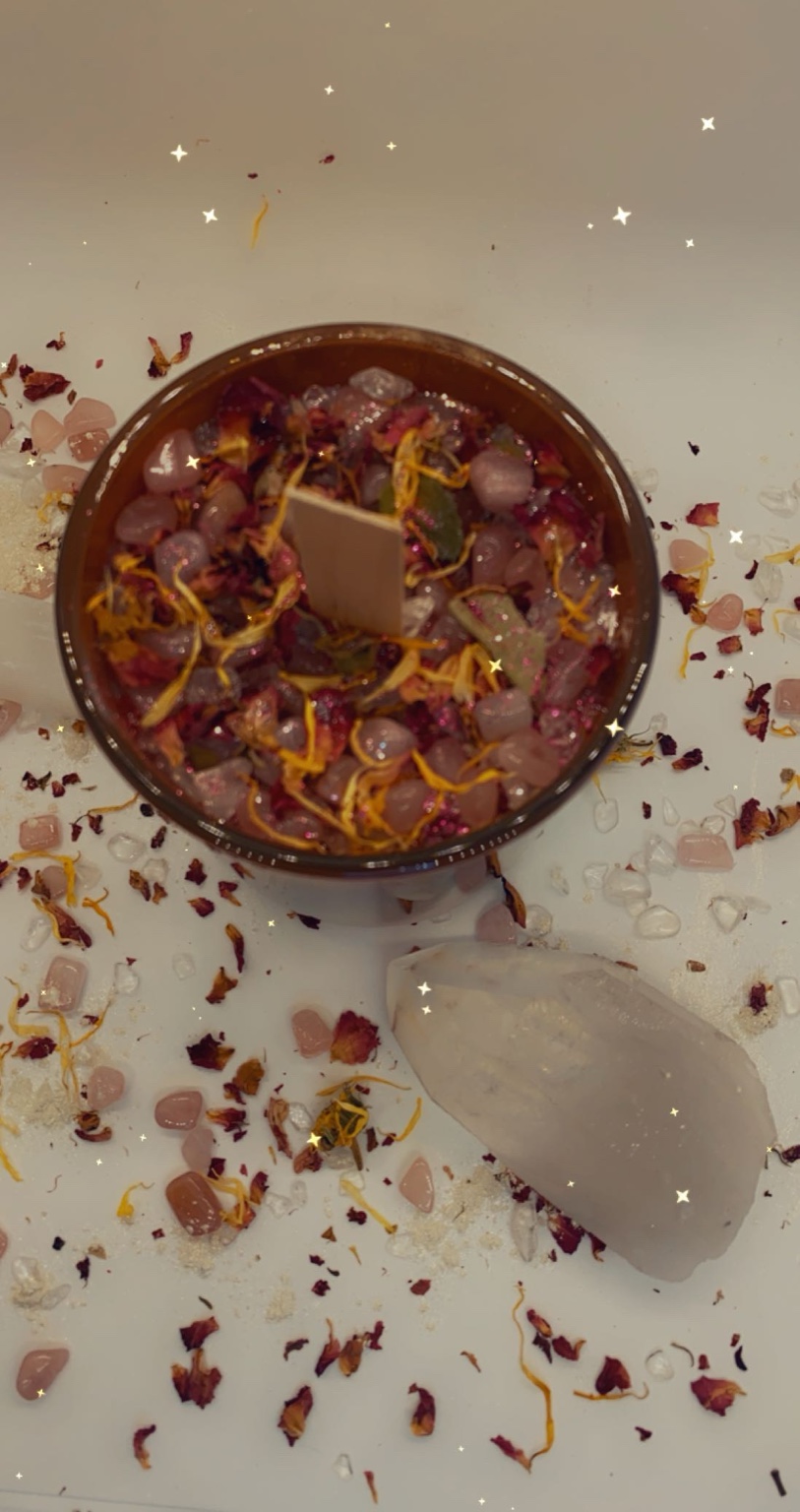
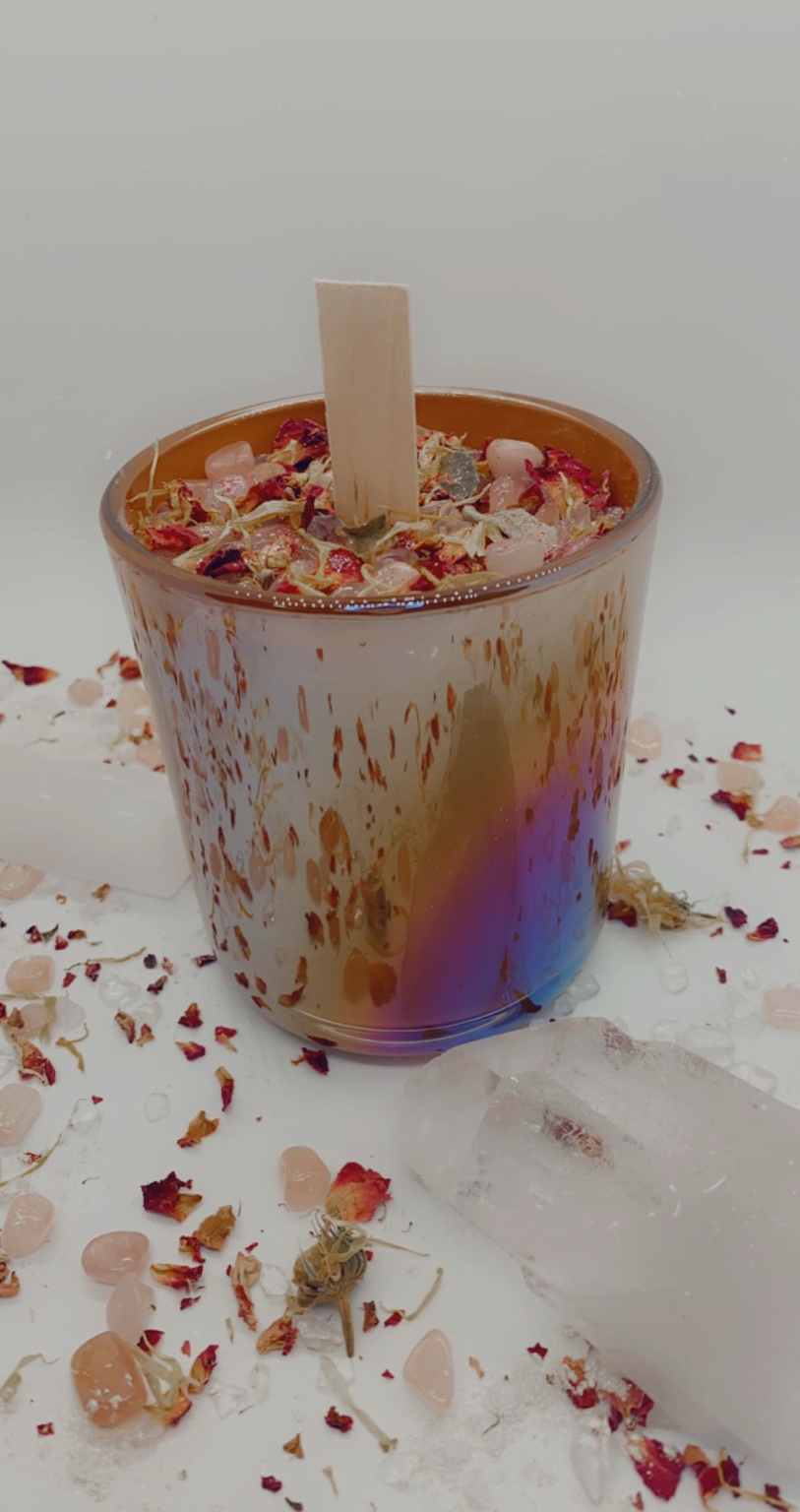
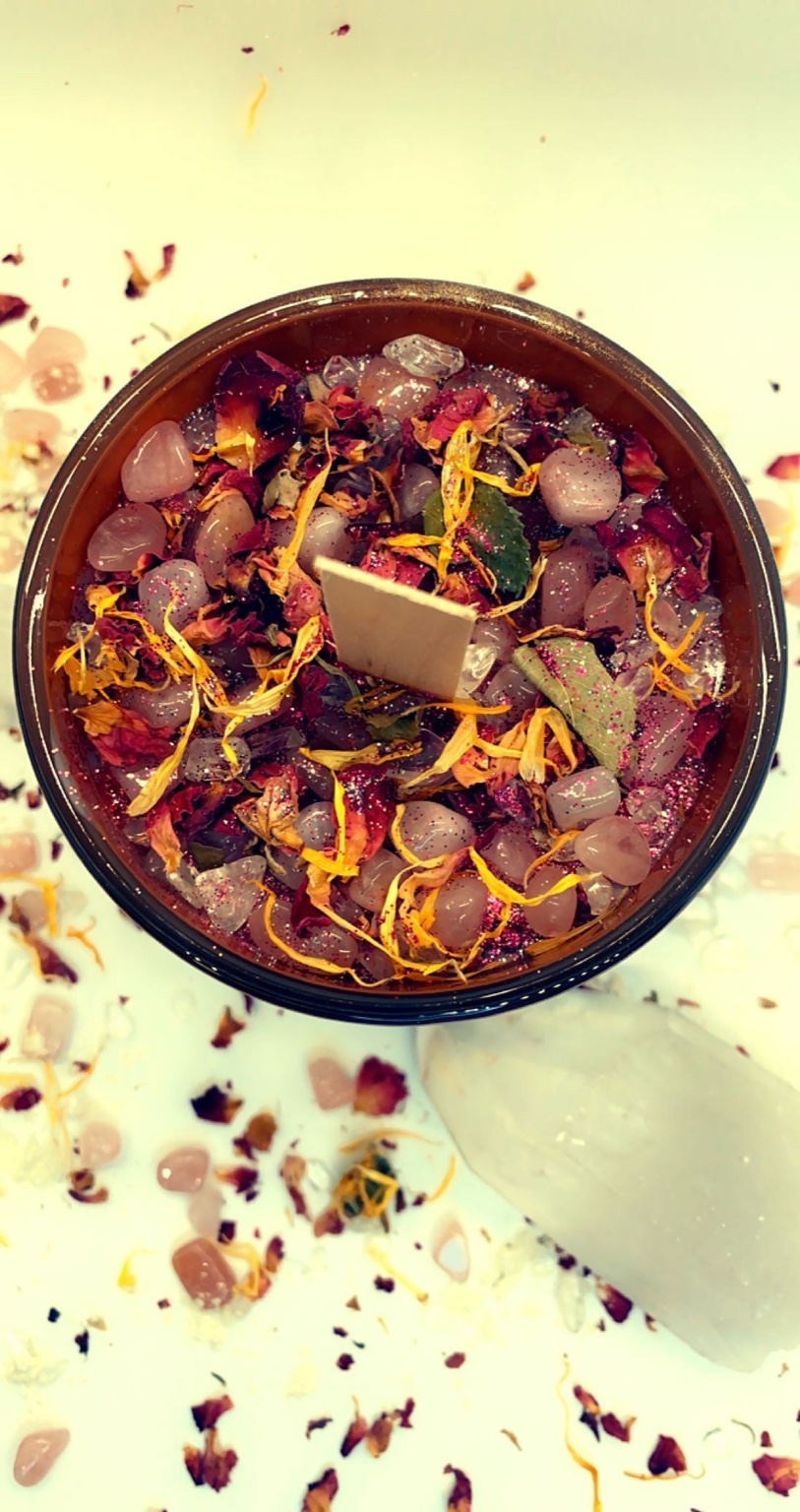

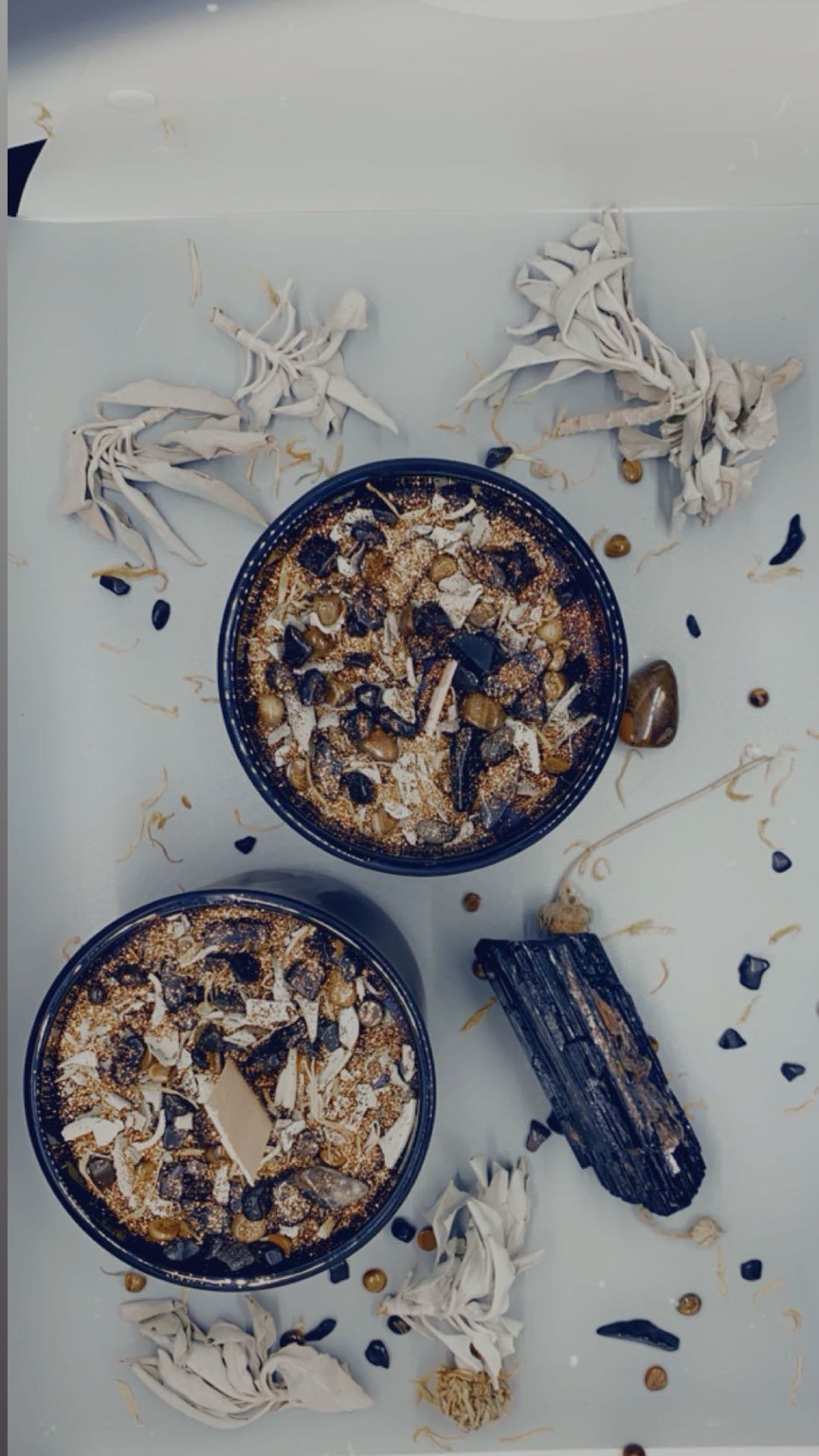
AI-Generated Candle Imagery (Midjourney + Sora)





Reflective Essay
My project explores the relationship between human intention and machine-generated aesthetics through the creation of a hybrid creative artifact that blends personal design decisions with AI-assisted visual generation. The core concept behind the work is the tension between authorship and automation—how much of an artwork is “mine” when the tools I rely on participate in the creative process, and in what ways does the machine amplify, distort, or reimagine my original ideas?
By working with candle imagery and narrative sequences generated through Sora and Midjourney, I aimed to investigate how AI mediates emotional tone, affect, and atmosphere, and how these systems extend the expressive potential of familiar domestic objects. At its foundation, the project asks a simple but important question: What does it mean to collaborate with a nonhuman system?
Hybrid Human–Machine Process
The project evolved through an iterative workflow of planning, prompting, evaluating, and revising. Although AI tools produced the visual content, the project depended heavily on human decisions about framing, composition, narrative, and emotional tone.
I defined goals for the imagery: warmth, tactility, brand identity, and emotional resonance. I sketched layouts and lighting moods, choosing textures and palettes that matched the domestic spaces I wanted to evoke. Then I developed prompt sets for Midjourney and Sora—this became the clearest example of co-authorship.
Generative AI does not recreate the image in my mind; it produces possibilities. My role became learning how to negotiate with the model’s tendencies—tightening prompts when results drifted, loosening them when I wanted fresh interpretations. Subtle word shifts often changed lighting, emotional register, or texture dramatically.
During revisions, I curated outputs based on conceptual alignment: Does the setting feel lived-in? Does the texture communicate warmth or sterility? Does the candle appear grounded in ritual and intention?
Assembling everything into a responsive HTML page clarified the hybrid nature of the work. The AI produced visual abundance; I provided coherence, sequencing, pacing, and narrative meaning.
Engagement With Course Themes
This project engages themes of identity, authorship, embodiment, affect, and critical making.
Identity & Authorship
AI complicates ideas of ownership. Although I designed prompts and curated outputs, the machine contributed stylistic elements I did not explicitly request. This reveals distributed agency—authorship becomes shared, entangled, and negotiated.
Embodiment & Materiality
Candles are physical, sensory objects. AI removes scent, warmth, flame movement, and tactility. This gap highlights what cannot be automated and emphasizes the irreplaceable nature of human embodied creativity.
Affect & Atmosphere
Domestic spaces carry emotional weight. Kitchens can feel nostalgic, bathrooms soothing. AI’s ability to shift mood through lighting, composition, and color became central to analyzing how generative systems construct atmosphere.
Critical Making
The process required confronting AI’s biases, limitations, and aesthetic defaults. Making the work revealed how computational systems shape creativity and how humans assert meaning through curation.
Conclusion
Hybrid creativity restructures imagination rather than replacing it. Through this project, I learned how AI reframes familiar objects, how affect emerges through computational processes, and how human agency remains essential. The result is a shared artifact—neither fully human nor machine-made— that reflects the complexity and possibility of contemporary digital making.
AI Tools Used
- ChatGPT — project development, prompts, reflection writing, HTML building
- Midjourney — AI candle image generation
- Sora — AI video sequence generation
- CapCut — video editing and timing