The Future Animator Isn’t Human Alone

For most of modern media history, authorship has operated like ownership. Films had directors, books had writers, albums had artists, and even collaborative works ultimately funneled into one or a few named creators. The public could interpret a work, but they were never part of constructing it. The tools of production were expensive, specialized, and slow, which created a natural gatekeeping around who could meaningfully contribute to the creation of media. Audiences observed. Artists created.
Artificial intelligence breaks that structure, not by replacing artists, but by multiplying the number of creative agents involved in one project. When AI enters the production process, the work stops being a linear expression of one person's intent and becomes a system of inputs, iterations, and interpretations. But AI alone is not the only contributor to this distributed authorship. On social media especially, the audience, algorithms, platforms, recommendation systems, online communities, and remix culture all actively reshape creative work. The result is not a single author, but a collaborative ecosystem where influence flows from creator to AI to audience and back again.
Hybrid authorship is not simply a new toolset. It is a new structure of creativity. The artist changes from a maker into a director of possibilities. AI becomes a creative interpreter rather than a passive instrument. Audiences shift from consumers into co-creators of meaning. The final artifact becomes less like a closed product and more like a shared space. This shift shows up distinctly across digital storytelling, video game animation, rotoscoping, and music videos, four areas where AI has transformed not only workflows, but the philosophical idea of who a piece of media belongs to.
1. AI and Social Media Storytelling
Social media has already rewritten the rules of narrative structure. Stories online are nonlinear, decentralized, chaotic, and collaborative. They do not unfold in neat arcs or resolve permanently, they evolve, mutate, disappear, reappear, and spiral outward through trends and subcultures. AI slots into this environment so naturally that it doesn’t feel like a technological disruption so much as an escalation of what the internet was already doing.
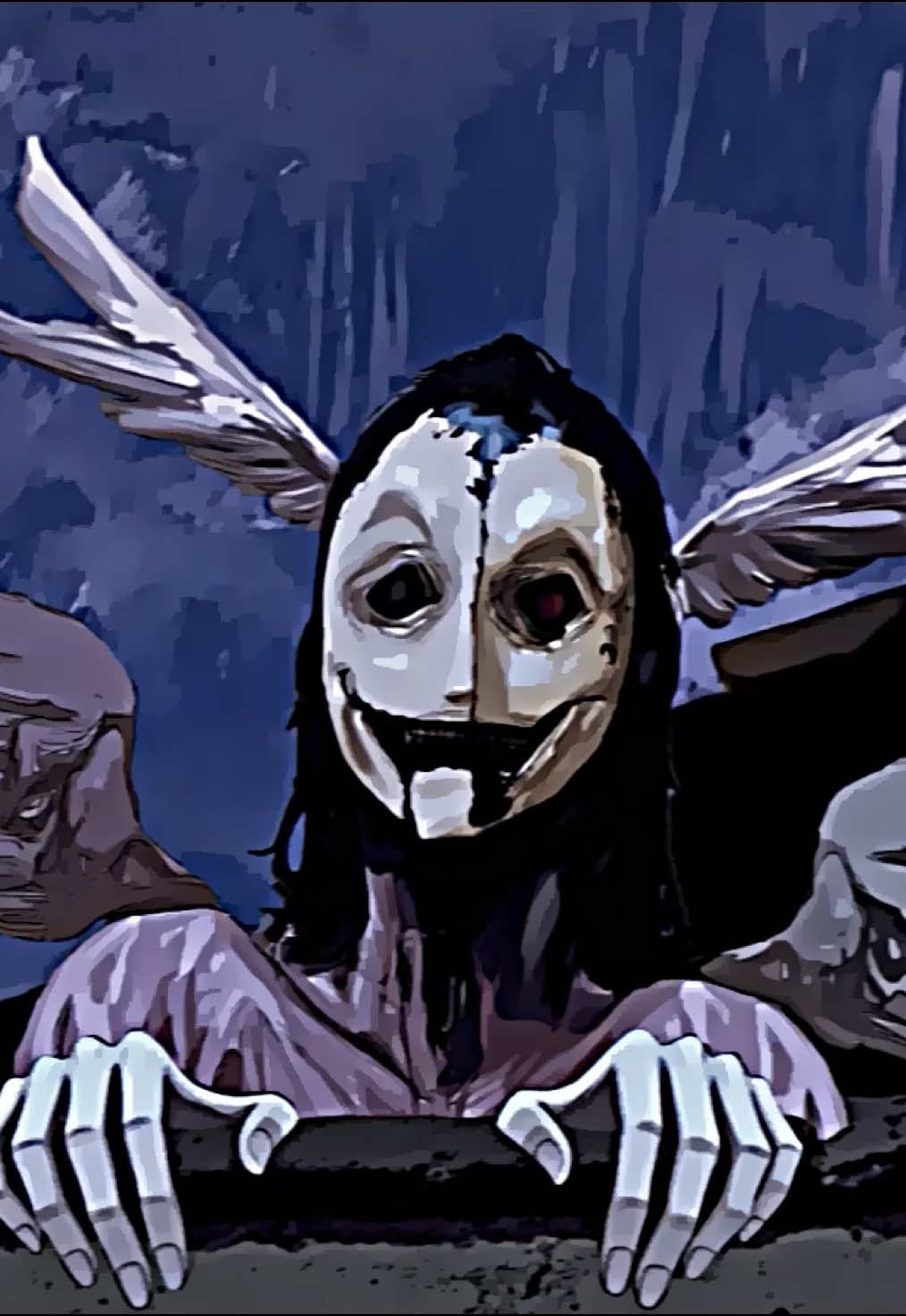
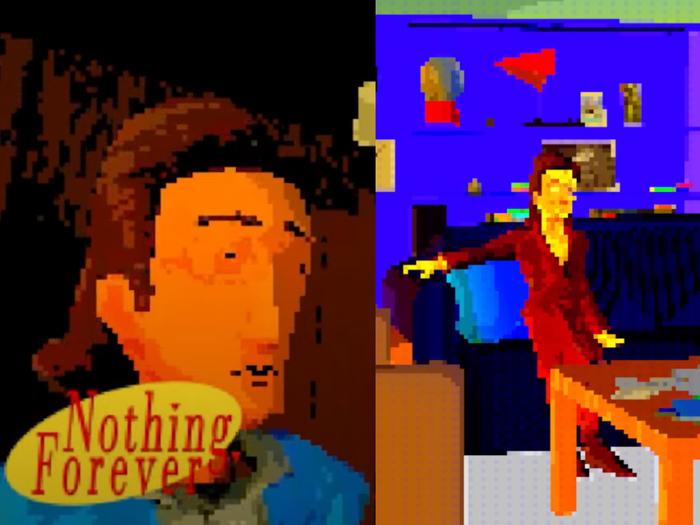
Unlike traditional storytelling, where the events are predetermined, AI storytelling generates content as it goes. Projects such as Nothing, Forever, Angel Engine, or TAIB are not stories in the classical sense, they are machines built to endlessly produce story-shaped material. They do not deliver closure. They loop. They evolve. They glitch. They produce inconsistent characters, surreal logic, accidental symbolism, comedic timing, failed punches, eerie moments of sincerity, and unexpected emotional resonance. What makes them compelling is not the narrative strength, but the feeling of witnessing a process unfold in real time.
Because these projects exist primarily through social platforms like YouTube, TikTok, Reddit, Discord, or wikis, the audience never experiences them passively. Viewers react, clip moments, assign meaning, debate interpretations, and generate fan theories that become louder and more culturally significant than the narrative itself. The story does not live in the generated script, it lives in the communal analysis around it. Audiences collectively hallucinate deeper meaning into random outputs, excavating themes the AI never deliberately embedded.
This dynamic changes creative authority. The creator no longer crafts plot or dialogue, they curate the conditions under which plot and dialogue emerge. The AI generates raw story material. The audience interprets that material into something emotionally or symbolically real. Meaning becomes an emergent property of the system rather than a direct delivery from the artist.
There is also a distinctly new emotional texture in AI storytelling, especially in social media micro-narratives. AI voices can feel hollow, deadpan, unsettling, earnest, or sarcastic without meaning to. Timing can break reality in ways that feel intentionally surreal. A poorly generated face can communicate more emotion than a polished one, precisely because it looks like it is trying and failing to be human. The imperfections feel alive in a way that perfected media sometimes doesn’t. The gaps become connective tissue for audience imagination.
This invites a fundamental reinterpretation of authorship. If the creator prompts the system, the AI writes the story, and the audience determines its meaning and cultural footprint, then who authored it? The answer isn’t divided three ways. It exists in the hybrid overlap of all three participants at once. The story belongs to the system that made it possible, not the person who initiated it. This is the core of hybrid media in online storytelling.
2. AI Animation in Video Games
Video game animation has always sat somewhere between film and simulation. Unlike linear media, games do not play back the same visuals every time. The world responds to player inputs, which means animations must be dynamic, modular, and reactive. For decades, this reactivity was achieved through handcrafted systems, where animators created thousands of individual motion files that triggered under specified conditions. It worked, but it was finite. Players could eventually find the seams.
AI fundamentally changes this process by introducing animation that does not merely play back, but generates itself in real time. Instead of animators crafting every motion, they build movement models, behavioral constraints, and expressive ranges, allowing characters to animate themselves inside those boundaries. A character can hesitate before running, catch their breath after climbing, turn their head organically when spoken to, or stumble with procedural personality rather than looping a preset animation cycle.
This changes the animator from a performer into a system architect. Their role becomes less about manually producing movement and more about defining motion parameters, emotional ranges, physical plausibility, and stylistic rules. They are no longer instructing a character what to do, they are teaching them how to behave.
The implications for authorship are enormous. Traditional animation preserves artistic intent frame by frame. AI animation disperses that intent into probabilities. The animator influences the possibilities, but not the outcome. Movement becomes interpretive rather than predetermined. The performance belongs partially to the AI that generated it and partially to the player whose input triggered it. The result is a performance that no single author fully controls.
This also introduces new emotional realism. Human motion is inconsistent, micro-reactive, subtly different every time. Traditional animation fakes that inconsistency through immense manual labor, while AI reproduces it naturally because variation is built into the system rather than being an error to eliminate. The result feels more alive, less choreographed, and more personal, even though no human hand animated it directly.
The question here is not whether AI devalues the animator, but whether animation was ever meant to be a single-author medium in the first place. AI finally reveals how collaborative movement already is, involving physics, player agency, environment, timing, and stylistic interpretation. Authorship becomes distributed, interactive, and responsive, rather than performed and played back.
3. AI Rotoscoping and the Transformation of the Body
Rotoscoping began as a way to capture human motion with artistic reinterpretation. It preserved performance while transforming it, creating a stylized echo of real movement. Traditional rotoscoping is intimate labor. Every frame passes through the artist’s hand. The final work retains the fingerprints of an individual’s choices, inconsistencies, exaggerations, and personal visual language.
AI rotoscoping alters this relationship. Instead of tracing motion manually, artists feed footage into a model that reconstructs, reinterprets, or abstracts the body into something else. The AI might generate smooth missing frames, warp anatomy into surreal shapes, translate movement into painterly strokes, or dissolve a human figure into light, particles, ink, shadow, or distortion. The result is still based on performance, but it is no longer preserved in its original form. It is translated, stylized, mutated, and replicated through algorithmic interpretation.
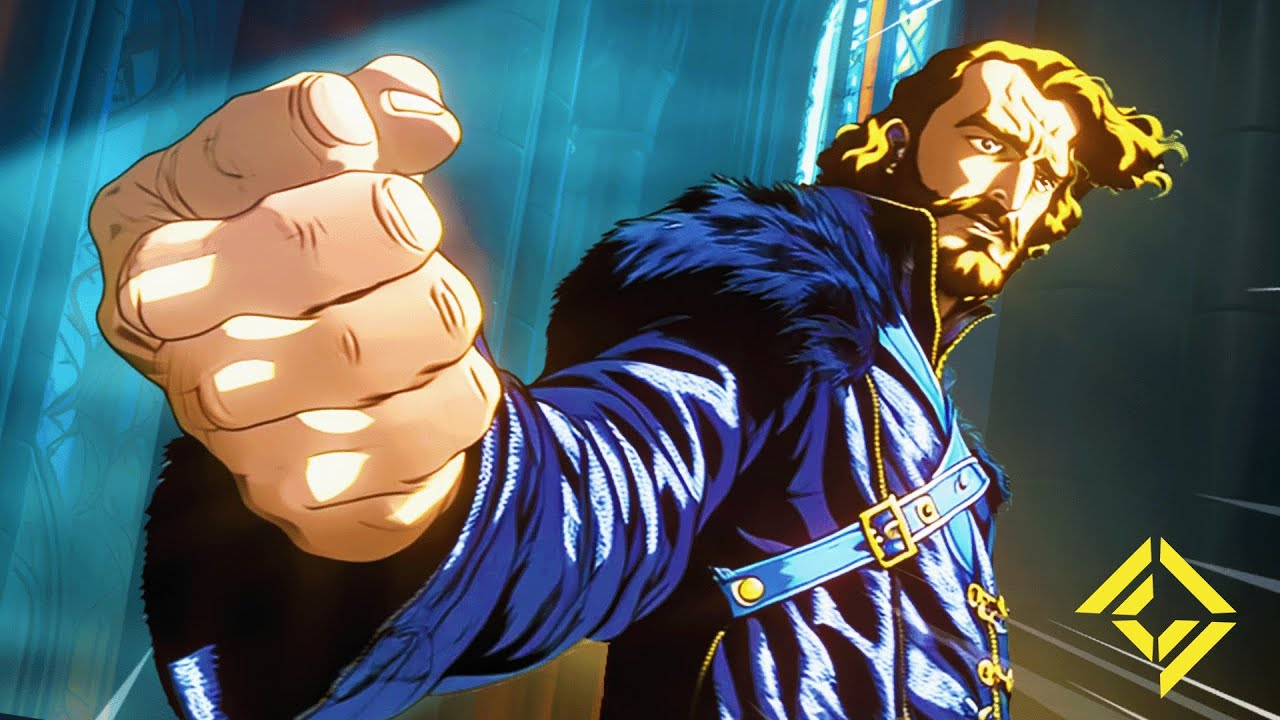
Anime "Rock, Paper, Scissors" is a live-action short by Corridor Digital and used AI style transfer to transform it into anime. They trained a Stable Diffusion model on anime screenshots and applied it frame by frame with ControlNet and EbSynth. It became one of the first viral examples of AI rotoscoping. The results were striking but inconsistent; faces sometimes distorted and datasets raised ethical concerns. The project showed that AI can speed up production but that artistic control must stay with humans.
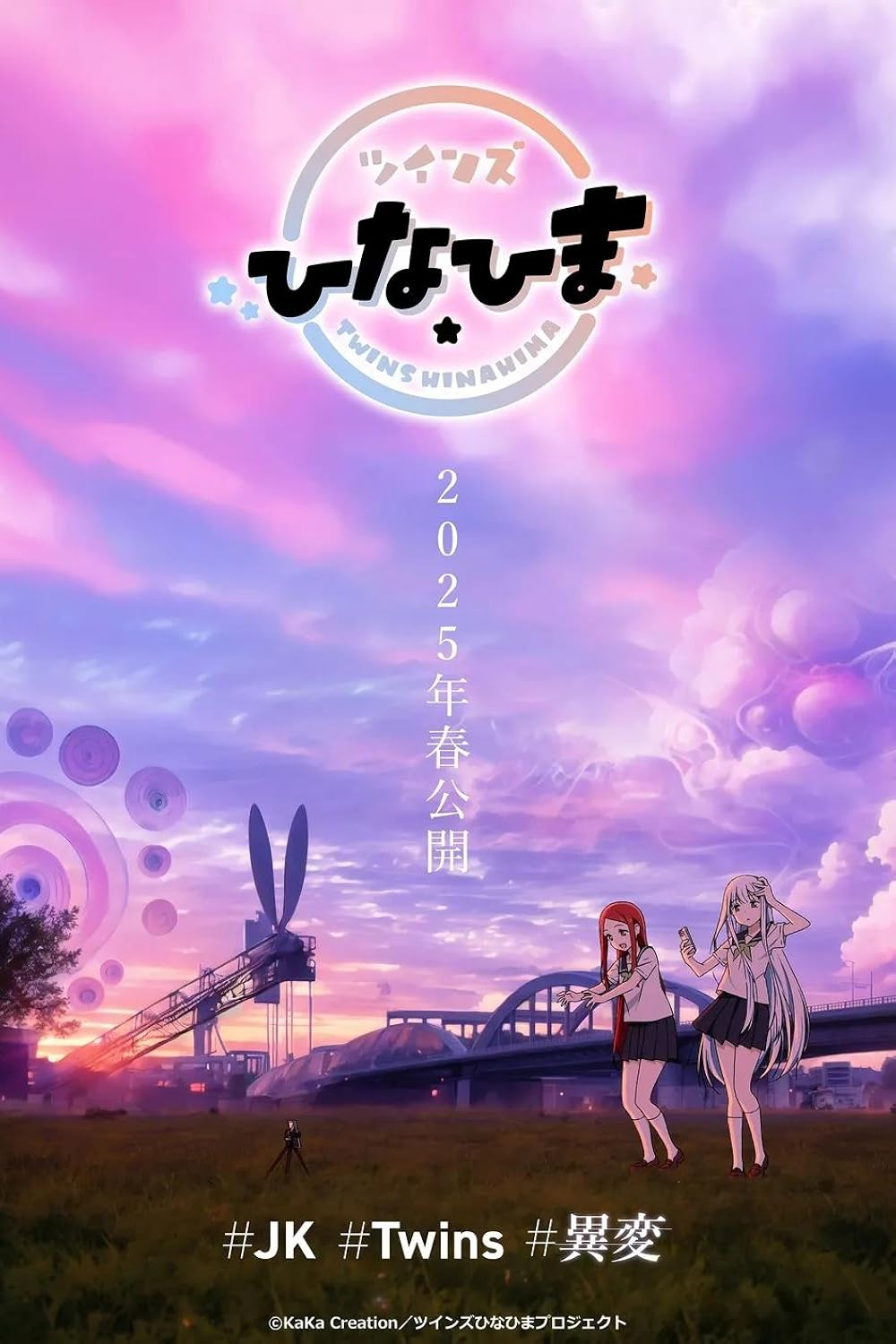
This Japanese anime short used AI for roughly 95 percent of its cuts. Human artists handled the storyboards, designs, and direction, while AI generated in-between frames and backgrounds. The film demonstrates how AI can be used within a professional production pipeline without replacing creativity. The story’s emotion and tone still reflect human choices, while AI reduced the workload and made production more efficient.
The artist shifts from tracing movement to directing transformation. Their role becomes selecting the source footage, defining aesthetic direction, choosing outputs, refining generations, curating results, and guiding the overall visual identity. They are no longer redrawing the human motion, they are steering how the AI interprets it.
This produces a layered authorship. The actor provides the motion. The AI interprets it into something new. The artist selects which interpretations survive. The final output is a composite of all three, but fully attributable to none individually. The creative ownership behaves more like collaboration than authorship.
There is also a conceptual shift in how the body is represented. Rotoscoping was once a way to preserve humanity inside animation. AI rotoscoping turns the body into a starting point rather than an endpoint. It treats human motion as raw data for metamorphosis, not something sacred to replicate. In doing so, it raises questions about originality, identity, and authenticity. If a performance is captured by a real person, transformed by an algorithm, and curated by a digital artist, whose movement are we actually watching?
Hybrid authorship thrives here because there is no single answer. The performance is collective, layered, and permanently between states, part human intent, part machine inference, part artistic selection.
4. AI Music Videos and Visual Worldbuilding
Music videos have historically been vessels for visual storytelling, personal branding, or cinematic metaphor. They were tightly controlled, storyboarded, filmed, edited, and released as finished artifacts. AI has disrupted that finality. With generative models, music videos can now be produced faster, more abstractly, more symbolically, and with a level of visual density that would be impossible through traditional production alone.
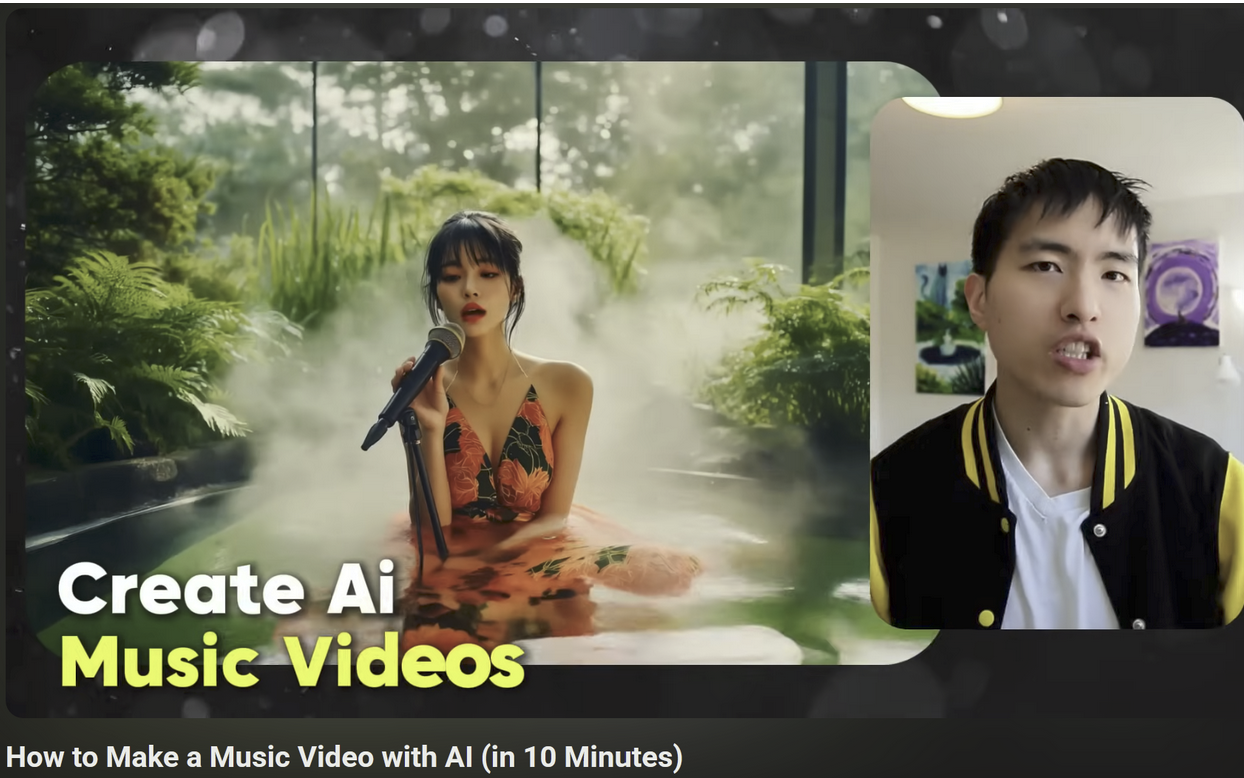
AI music videos tend to look less like filmed scenes and more like visual territories. They don’t stage events, they evoke moods. They don’t tell linear stories, they create emotional topographies. Imagery ripples, shifts, melts, repeats, transforms, glitches, blooms, and evolves to match sound instead of depicting literal lyrical meaning. The result feels subconscious, atmospheric, archetypal, or surreal, more like a dream language than a narrative one.
This changes the creative role again. Instead of directing shots, artists direct aesthetics. They build visual rules, color grammars, symbolic motifs, emotional intensities, distortion levels, and thematic palettes. They generate in cycles, selecting visuals that fit the emotional truth of the music, sequencing them intuitively rather than linearly. The video becomes less a planned production and more a curated hallucination shaped through iterative discovery.
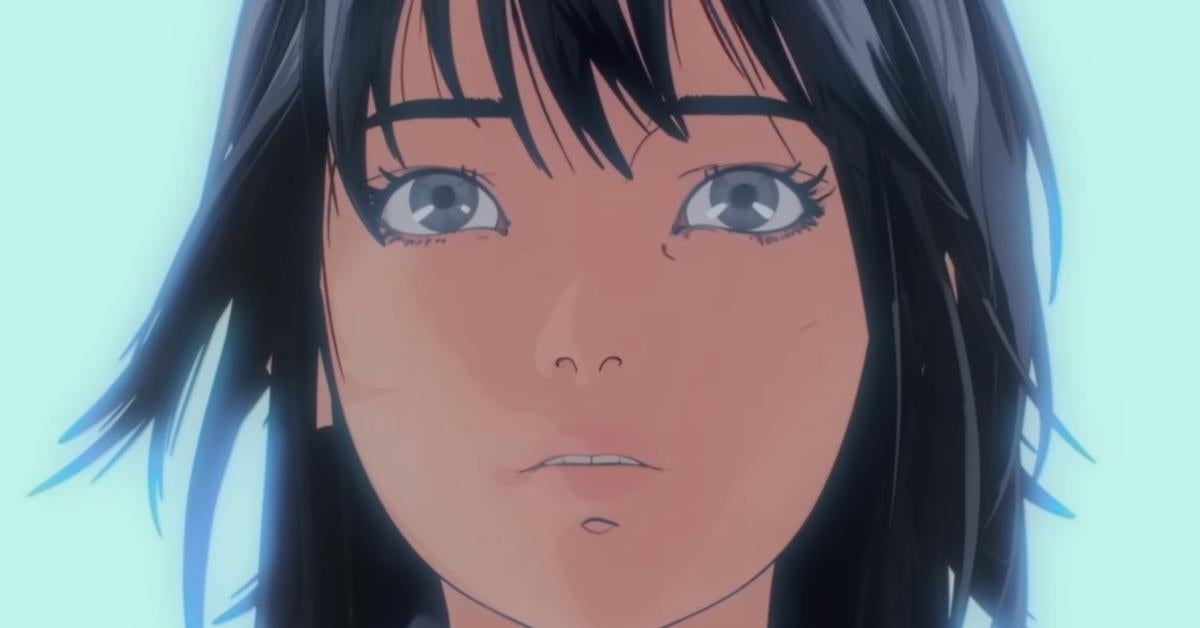
Another significant shift is that AI music videos are not truly static when released. Artists can regenerate scenes, create alternate versions, release evolving iterations, or allow fan-edited remixes to circulate in parallel with the original. The final video is not “the” video, it becomes one authorized interpretation among many. Fans can extend the visual universe without needing the original files, simply by generating new scenes in a matching style. The media property becomes modular, expandable, and collectively interpretable.
This further dissolves singular authorship. The musician sets emotional intention. The AI produces visual imagination. The artist curates structure. The audience remixes and extends the mythology. Authorship becomes a network rather than a signature.
Conclusion
Across AI storytelling, game animation, rotoscoping, and music videos, a pattern emerges. AI does not function as a replacement for artists, but as a redistributor of creative agency. Creativity becomes less about crafting every detail and more about designing systems that produce meaningful outcomes. Audiences shift from passive recipients to active interpreters and cultural contributors. Media stops feeling like an artifact and starts feeling like an ecosystem.
Hybrid authorship is not the future of creativity, it is the present. The artist no longer sits outside the system directing inward. They operate inside the system, influencing outcomes rather than dictating them. Creation no longer moves in one direction. It circulates.
The real question is no longer “who made this?” but “who shaped it, who interpreted it, who transformed it, and who gave it meaning?” The answer increasingly resembles something collective, something negotiated, something emergent. A shared authorship, not because ownership was divided, but because it was never meant to be singular in the first place.
Authors & Sources
- Authors: Elijah Houston, Oliver Garcia-Fariña, Sasha Sabic and Zavien Houston
- Tools Used: ChatGPT
- AI Contribution: Text drafted collaboratively with AI and edited by the authors.
- Prompt Log:
- Sources & References:
- EbSynth. Secret Weapons (2020). https://www.secretweapon.art/ebsynth
- Runway ML. Runway Research (2024). https://runwayml.com
- Ubisoft. “Introducing Ghostwriter: AI to Help Script NPC Dialogue.” https://news.ubisoft.com/en-us/article/7Cm07zbBGy4Xml6WgYi25d/introducing-ghostwriter-ai-to-help-script-npc-dialogue
- Takahashi, Dean. “Ubisoft Unveils Ghostwriter to Write NPC Barks Using AI.” VentureBeat (2023). https://venturebeat.com/games/ubisoft-ghostwriter-ai-npc-dialogue
- Savov, Vlad. “Starfield’s Procedural Planets Feel Empty Because They Are.” The Verge (2023). https://www.theverge.com/23874505/starfield-planets-procedural-generation-bethesda
- Schreier, Jason. “Inside the Worldbuilding of Elden Ring.” Bloomberg (2022). https://www.bloomberg.com/news/articles/2022-02-25/elden-ring-world-design
- Polygon Staff. “Ubisoft’s New AI Tool Isn’t Replacing Writers, but It Might Change How They Work.” Polygon (2023). https://www.polygon.com/23652201/ubisoft-ai-writing-tool-ghostwriter
- Kaiber.ai. Kaiber. https://kaiber.ai
- Lexica Art. Lexica. https://lexica.art
- “I Made an 8-Minute Music Video Entirely with AI.” YouTube Search Results. https://www.youtube.com/results?search_query=I+made+an+8+minute+music+video+entirely+with+AI
- YouTube (Kaiber Demo). https://youtu.be/dJmsA1HJgWY?si=fjoiDCbApT85dB7k