Diagrammatic Storytelling
To Do This Week
Read: Diagrammatic Writing, by Johanna Drucker (just get an overview)
Great Rock n' Roll Pauses, by Jennifer Egan (a chapter from the novel "A Visit from the Goon Squad")
Journal:
After reading Great Rock n' Roll Pauses, describe the story's plot. Where is the conflict? How is the conflict resolved? Do the characters change inwardly and outwardly? How does the diagrammatic form express these story elements of plot and character?
What ideas and/or strategies in Drucker's "Diagrammatic Writing" and/or in Egan's "Great Rock n'Roll Pauses" inspire you to shape your own diagrammatic story? How can you create structure, sequence, emphasis, pacing and rhythm with the arrangement of type alone?
Assignment: 5 Story Summaries (5%)
DUE: Feb 5
Write 5 short-story summaries (100-300 words) within the 5 genre/styles from the list below. These will be projects you might like to pursue as digital stories in this class.You are not writing the stories, just the plot and a detail about the character.
- Personal anecdote (little story from life) as a fiction
- Classical Aristotelian 3-part structure
- Episodic structure
- Kishōtenketsu 4-part structure
- Surrealist or fantastic mode
Kishōtenketsu
Ki: the introduction: setting, characters, situation, relationships
Shō: further development, following the introduction. no big changes
Ten: a pivot or twist to another topic, character, situation, setting. this can be jarring, but doesn’t have to be
Ketsu: ending, it wraps up the story by uniting the first two parts with the third, the twist, making the parts a whole.
*Story Structure is not the source of inspiration for stories! Familiar structures and diagrams are useful tools for giving shape to story ideas.
Diagrammatic Writing
Great Rock and Roll Pauses
Great Rock and Roll Pauses from Jennifer Egan
Analysis of story and plot...
Analysis of story and plot
- What is the story “about” beneath the events?
- What is the story-world like? What are some details?
- Tragic premise: What is the central “problem” that drives the story forward?
- Aristotle – hamartia (error/flaw): What is Dad’s “flaw”?
- Aristotle – peripeteia (reversal): Where does the story turn?
- Aristotle – anagnorisis (recognition): What is “recognized,” by whom, and how?
- Aristotle – catharsis: What emotions does the story aim to produce in the reader/viewer?
- Tragic structure without death: What is the “catastrophe” here, if nobody dies?
- Drucker – meaning through relations: What does spatial placement do that a paragraph could not?
- Drucker – hierarchy and power: Where do you see hierarchy encoded visually?
- Drucker – juxtaposition: What elements are placed “near” each other to force an interpretation?
- Drucker – embedding / nested structures: Where does the story nest one discourse inside another?
- Drucker – the power of the blank space: How do pauses, empty space, and slide breaks function as narrative events?
- Diagram as interiority: Which character’s mind is most “diagrammatic”?
- Infographics as emotion:Do the infographics clarify or complicate?
- Form/content unity: If this story were written as conventional prose, what would be lost?
- Final synthesis: How does the story answer its own question: why do pauses matter?
Diagrammatic Writing, by Johanna Drucker
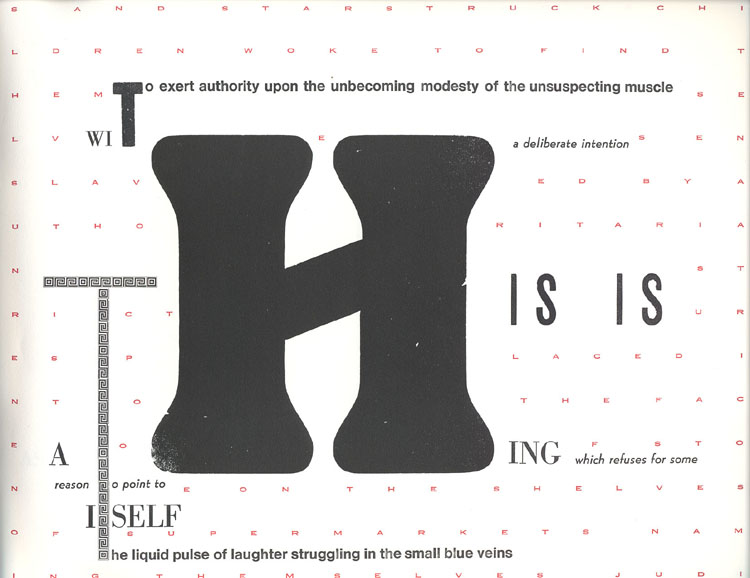
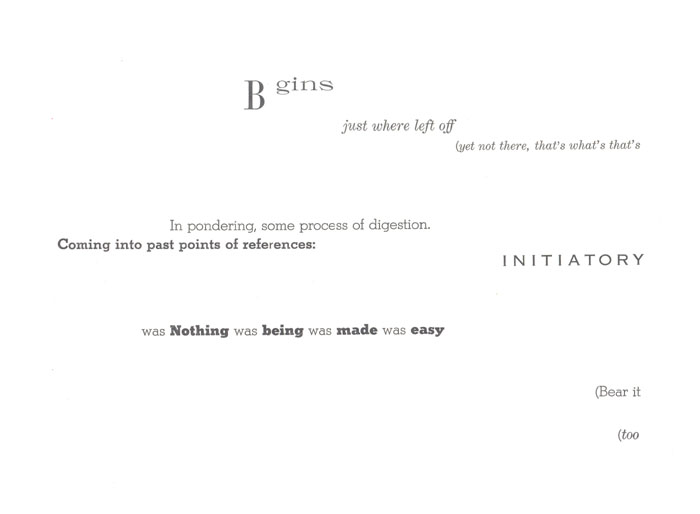
Gesture
Placement
Relation
Attributes and Refinements
Embedment: hierarchical frames of reference, stepping inward (15, 16, 17, 21, 28)
Entanglement: interlinear or spatially complicated conditions (16. 17, 18, 28)
Embrace: act of protection or aggression
Enframing: partial to full enclosure (15, 28)
Surrounding: higher level of aggression, possession (21, 23, 24)
Subordination: spatial superiorty and inferiority (8, 28)
Domination: another power move (20, 25, 28)
Complement: attempt at parity (28)
Parallelism: attempt at dualism and dialogue (8, 12, 22, 28)
Shadow: exposing latent tendencies (28)
Support: providing foundation function (3, 28)
Undermine: undercut (28)
Negation: extreme attempt at undermining (26, 28)
Engagement: exchange (28)
Attachment: connect, sometimes drive by desire (21)
Dependence: attachment with issues (14)
Overlay: obvious
Obliterate: heavy overlay
Extenuation: some/any conditional refinement (26, 28)
Dynamic Frame Space (digital interface)
Opening
Linking
Dropping Down
Dripping
Sliding
Enlarging
Diminishing
Scrolling
Drilling
Bridging
Closing
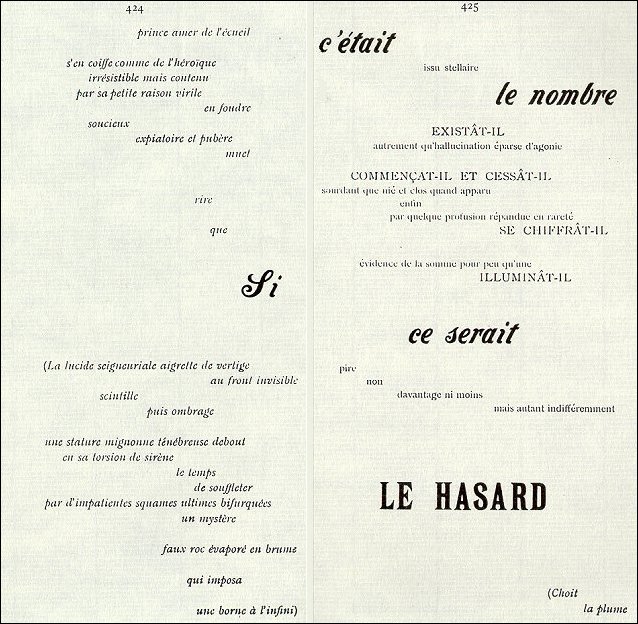
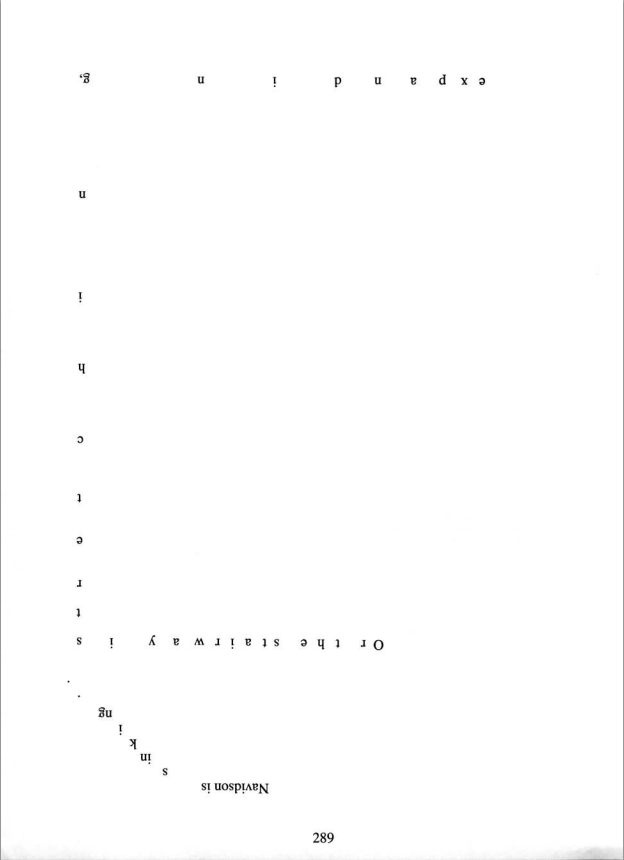
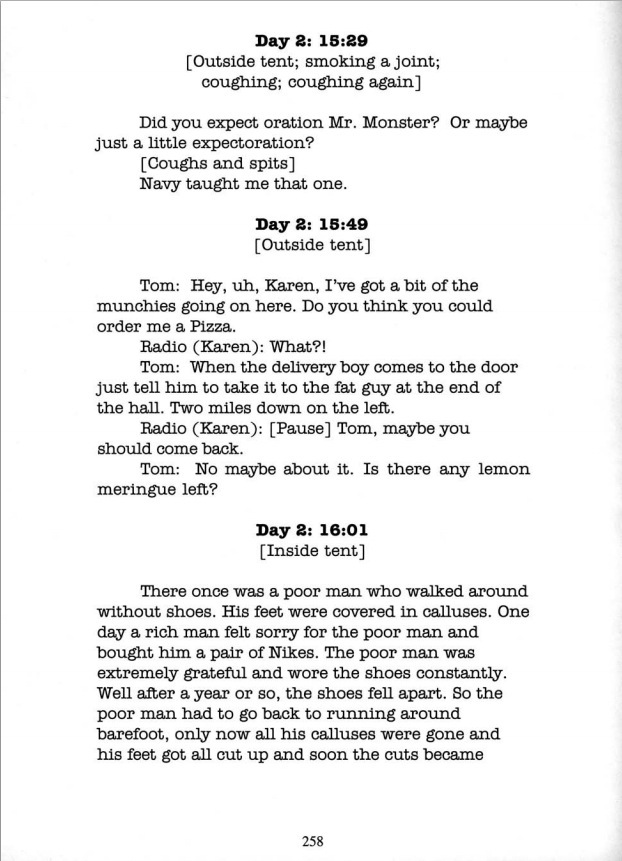
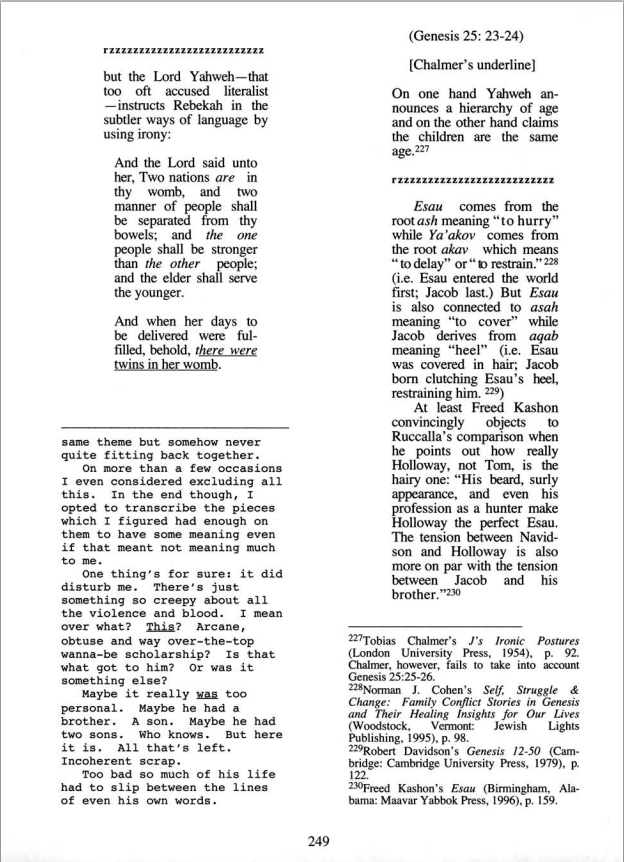
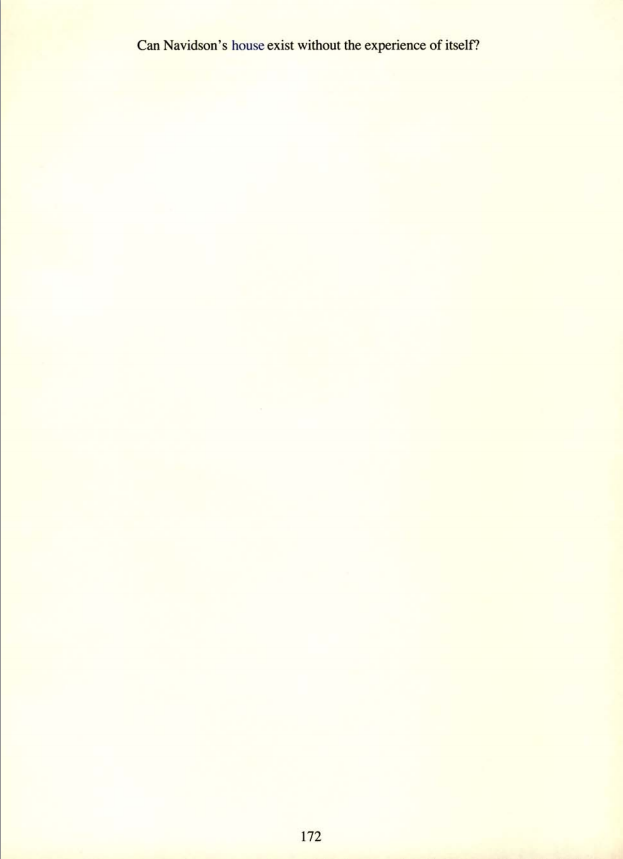
Mallarme, "A Throw of the Dice Will Never Abolish Chance", another version
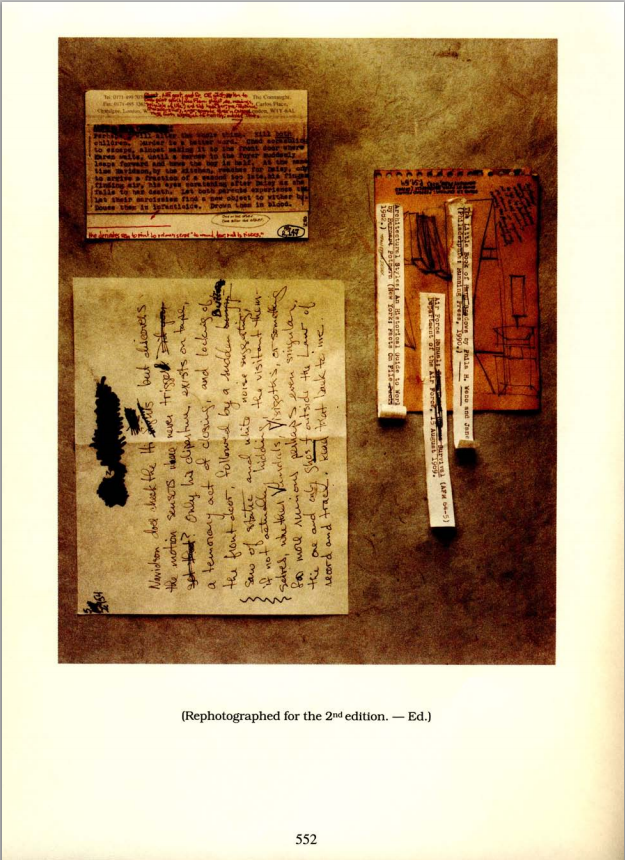
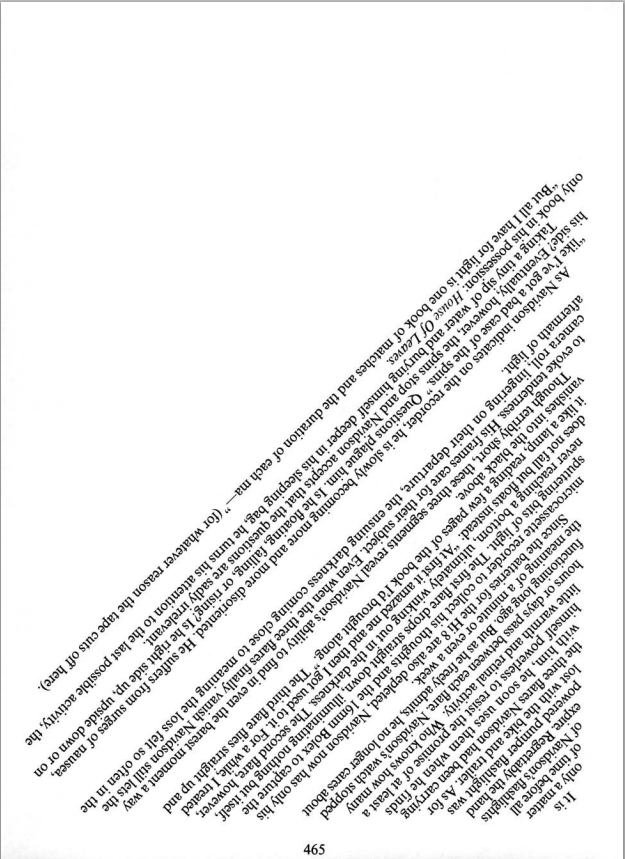
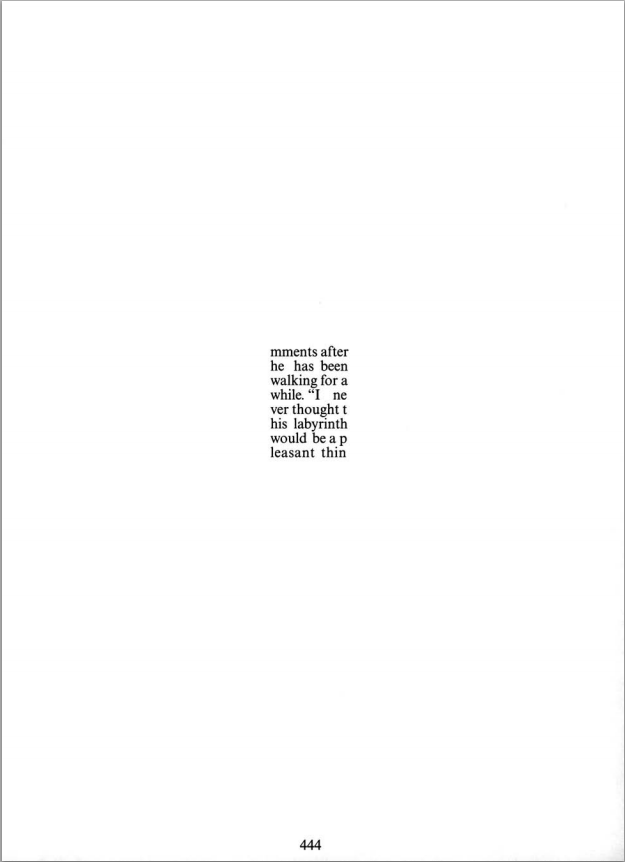
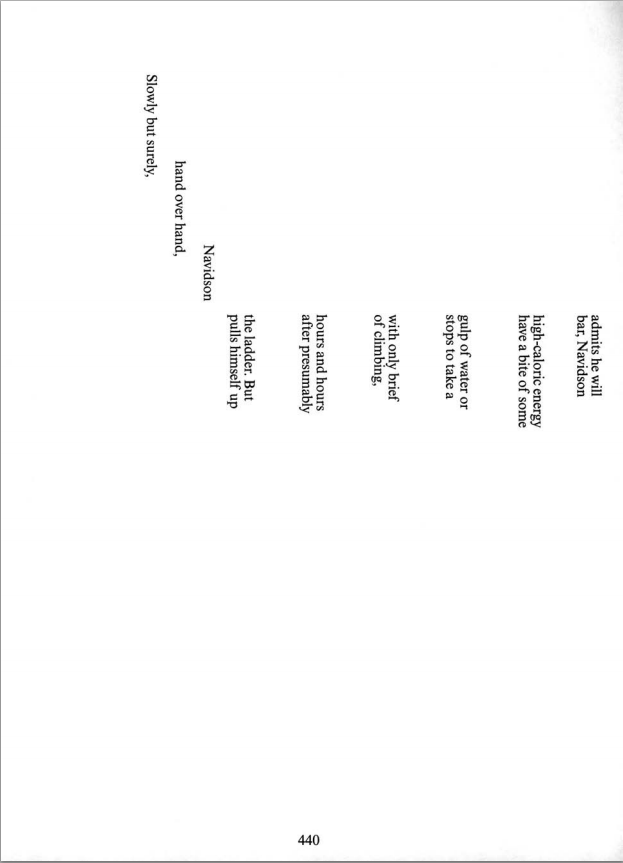
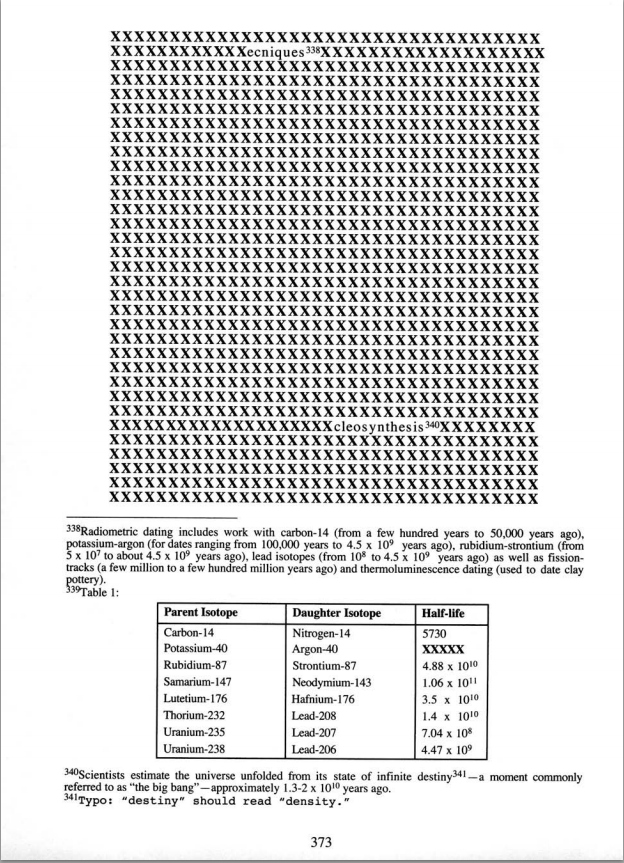
House of Leaves (this is a large pdf of entire book. although this an involving narrative work, please explore the typography and layout for ideas)
House of Leaves by Mark Z. Danielewski | book forum

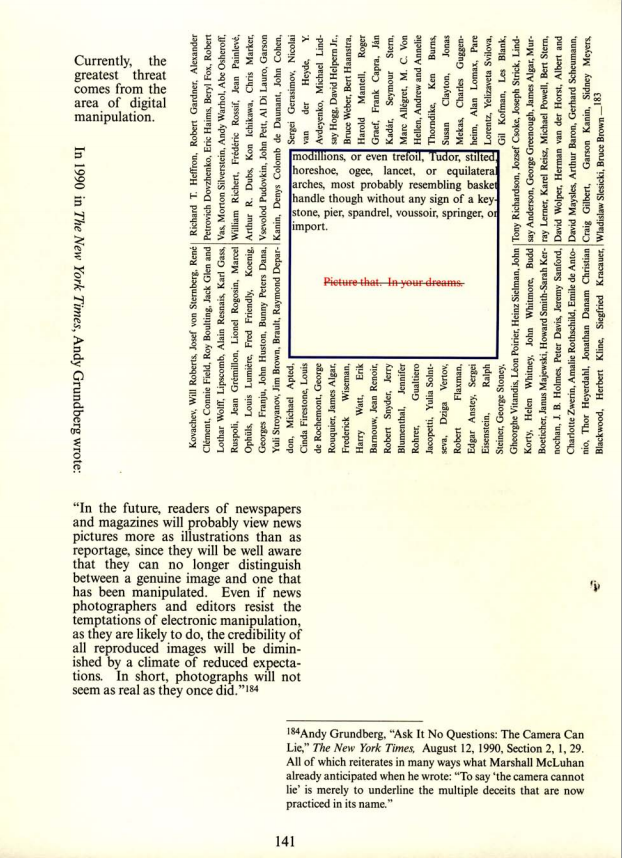
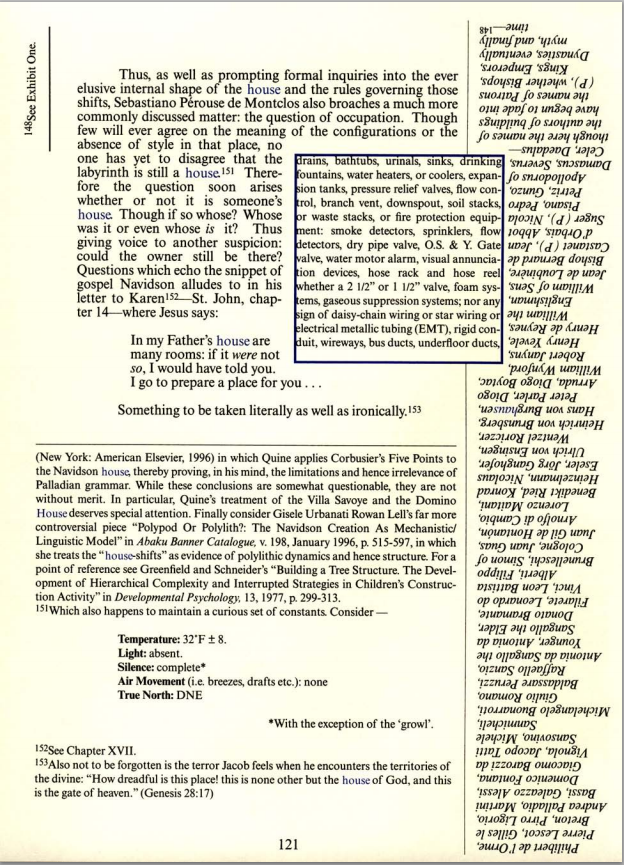
Examples and References
Net art: https://wwwwwwwww.jodi.org/
YOUNG-HAE CHANG HEAVY INDUSTRIES: ITS_A_BEAUTIFUL_AUTUMN_DAY_TO_RUN_FOR_YOUR_LIFE
The Diagram - journal for poetry and stories
In-Class Workshop: Develop 5 Story Summaries
In this group workshop you will get feedback to improve your five short story summaries (each 100–300 words).
These summaries are not full stories—they are compact plot sketches that you might want to develop later as digital stories in this class. Each summary should be a single paragraph that includes: (1) what happens (plot) and (2) significant details about the main character(s). Do not explain theme, message, intention, or “what it’s about.” Let the plot show story potential.
5 Summaries (One for Each)
- Personal anecdote (a small true-to-life moment rewritten as fiction)
- Classical Aristotelian (3-part structure: beginning → middle → end)
- Episodic structure (a sequence of moments/scenes that accumulate sharing a theme or idea)
- Kishōtenketsu (4-part structure: introduction → development → twist → conclusion)
- Surrealist or fantastic mode (reality slips; strange dream logic is treated as normal)
Slack Sharing (Groups of 3–4)
Form groups of 3–4 and share your five summaries as a single doc in Slack. Group members will read each other’s summaries carefully and take notes on: questions you have about the plot and suggestions for improvement (clarity, stakes, character detail, sequence of events, missing logic, opportunities for stronger turns, etc.).
Peer Feedback Round
- Each student posts their doc with five summaries in Slack.
- Group members read each summary and write feedback notes on a sheet of paper or journal.
- Have a brief discussion about each student's summary. Give constructive feedback.
- When it is your turn, listen first—take notes on the feedback you receive so you can revise later. Your job is to capture what readers found confusing, compelling, or underdeveloped.
Group Discussion: Which Stories Fit Diagrammatic Storytelling?
After everyone has received feedback, your group will discuss which summaries seem most promising for the Diagrammatic Storytelling assignment. Share ideas about which plots could translate well into a single-page / multi-panel / infographic-like storytelling format, and why. Use this as a chance to compare approaches and borrow strategies from each other.
Revise + Submit (Due Friday, Feb 7)
After class, revise your five summaries based on the feedback you received. Submit your updated summaries to Canvas and post them to Slack by Friday, Feb 7.
Diagrammatic Narrative (10%)
DUE Feb 21
This assignment explores new ways that text can connect for the reader—both on a single page and from page to page. How can you make text fragments relate dynamically and still maintain narrative coherence?
Drawing on your story summaries as source material, construct a diagrammatic narrative using ideas and strategies from Drucker’s Diagrammatic Writing, Great Rock n' Roll Pauses by Jennifer Egan, and any other typographic or diagrammatic work that inspires you. You may use Illustrator, Photoshop, or even video. However, Google Slides is probably the best and easiest tool because it allows you to manipulate text blocks easily and embed the slideshow in a blog post.
There should be at least 3–4 panels (not including title page) or pages, but you are welcome to make more. Stories structured around the Western three-act plot or the Japanese four-act (Kishōtenketsu) plot will likely work well with this assignment. You may use color, various fonts, and graphic elements (arrows, borders, basic shapes), but do not use images. Let the text fragments, their arrangement, and typography guide the composition of your story.