Visual Narrative II
To Do This Week
Read: Understanding Comics, by Scott McCloud - pgs 118-215
Work on the 5 slides from last weeks in-class assignment. Consider the 6 panel transitions and word-image relationships McCloud writes in Understanding Comics.
Develop the Visual Narrative Assignment 10% - DUE March 7
Notes
Story summaries. Fix plot summaries to improve grade.
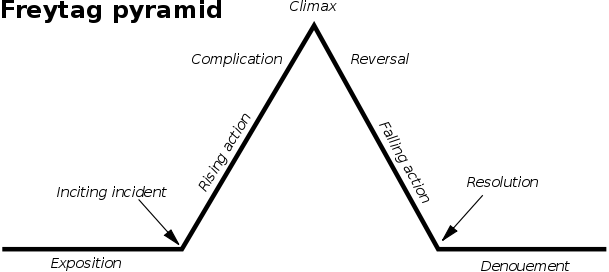
Thursday is an optional workshop day to finish your Diagrammatic Story, due on Friday.
In-class 5-image stories: the difficulty of narrating without words, changing frame, adding words to 5-shot stories. Not graded, but part of participation. Share on Slack a single screen grab of 5-image series and related text.
McCloud and visual storytelling - closure, rhythm, transitions, abstraction, show and tell
Review Types of Visual Storytelling:
- scroll/timeline (linear) (The Run, Cabin site)
- nonlinear or multilinear (repetition, patterns) (Cascadian Chronicles)
- sequential (chronological frames) (Appleseed)
- spatial montage (simultaneous frames, comics pages)
- cinema (duration, temporal frames, rhythm)
McCloud Review (part 1):
- icons, realism < ---> abstraction Rhasmagian
- picture plane -> language -> reality triangle pg 51
- blood in the gutter (panel-to-panel relationships pg. 70)
- closure - what to leave out (the gaps in storytelling)
- time frames - using the frames to express time, multi-linearity pgs 101-105
- expressing motion
- expressive lines
McCloud (part 2):
- show and tell
- classical division of word and image (movies)
- collision of word and image in Modern art
- Ads, pop culture, tv, web
- Idea > Form > Idiom > Structure > Craft > Surface
Image & Text
- Word Specific Combination
- Picture Specific Combination
- Duo Specific Combination
- Additive Specific Combination
- Parallel Specific Combination
- Montage Specific Combination
- Interdependent
Photo Narratives
McCloud - Word & Image (pg 153-155)
Word Specific Combination
picture illustrates the words
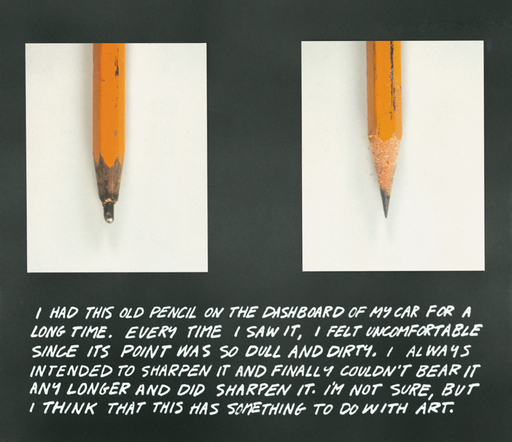
Picture Specific Combination
words like a soundtrack for visuals
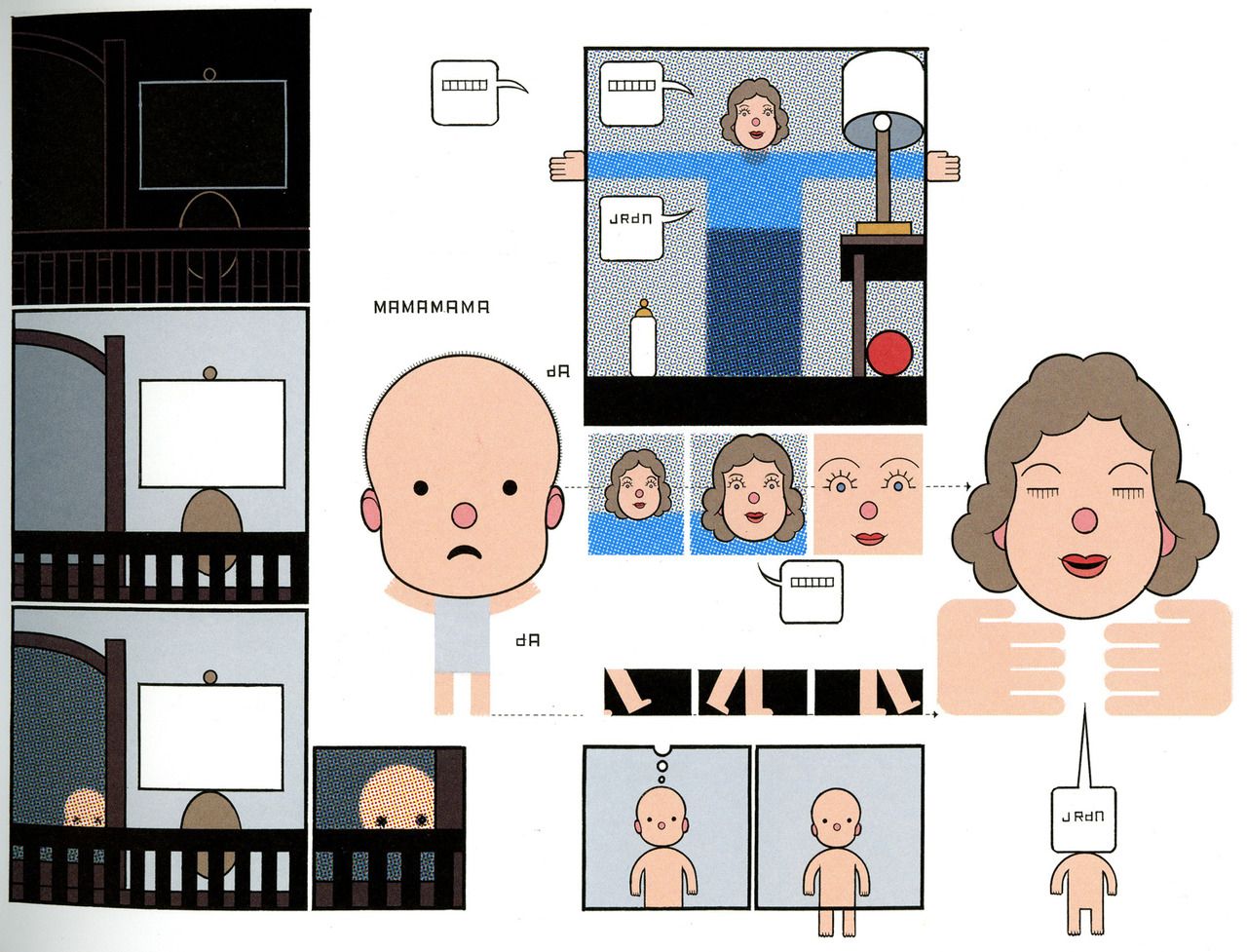
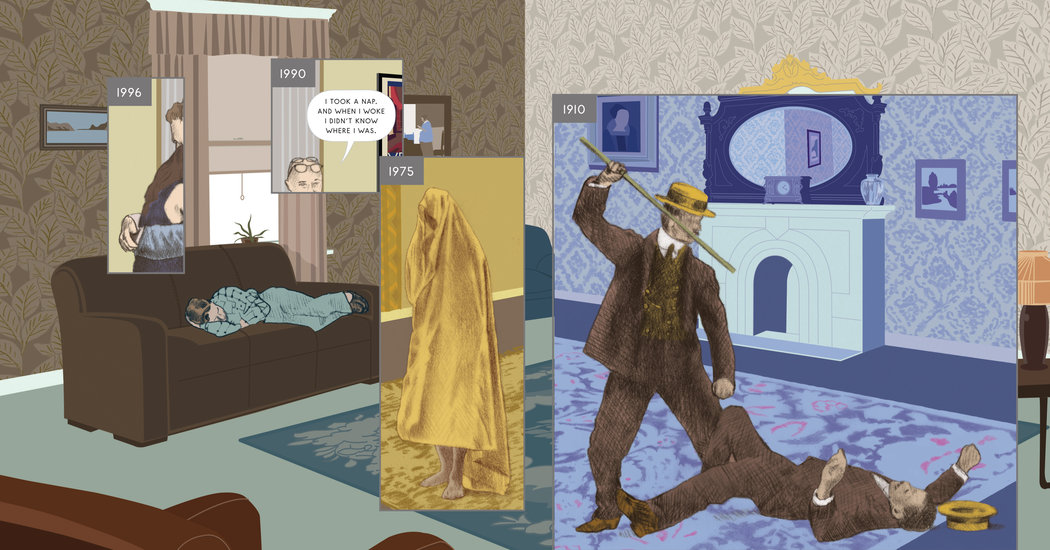
Duo Specific Combination
image and words have the same message
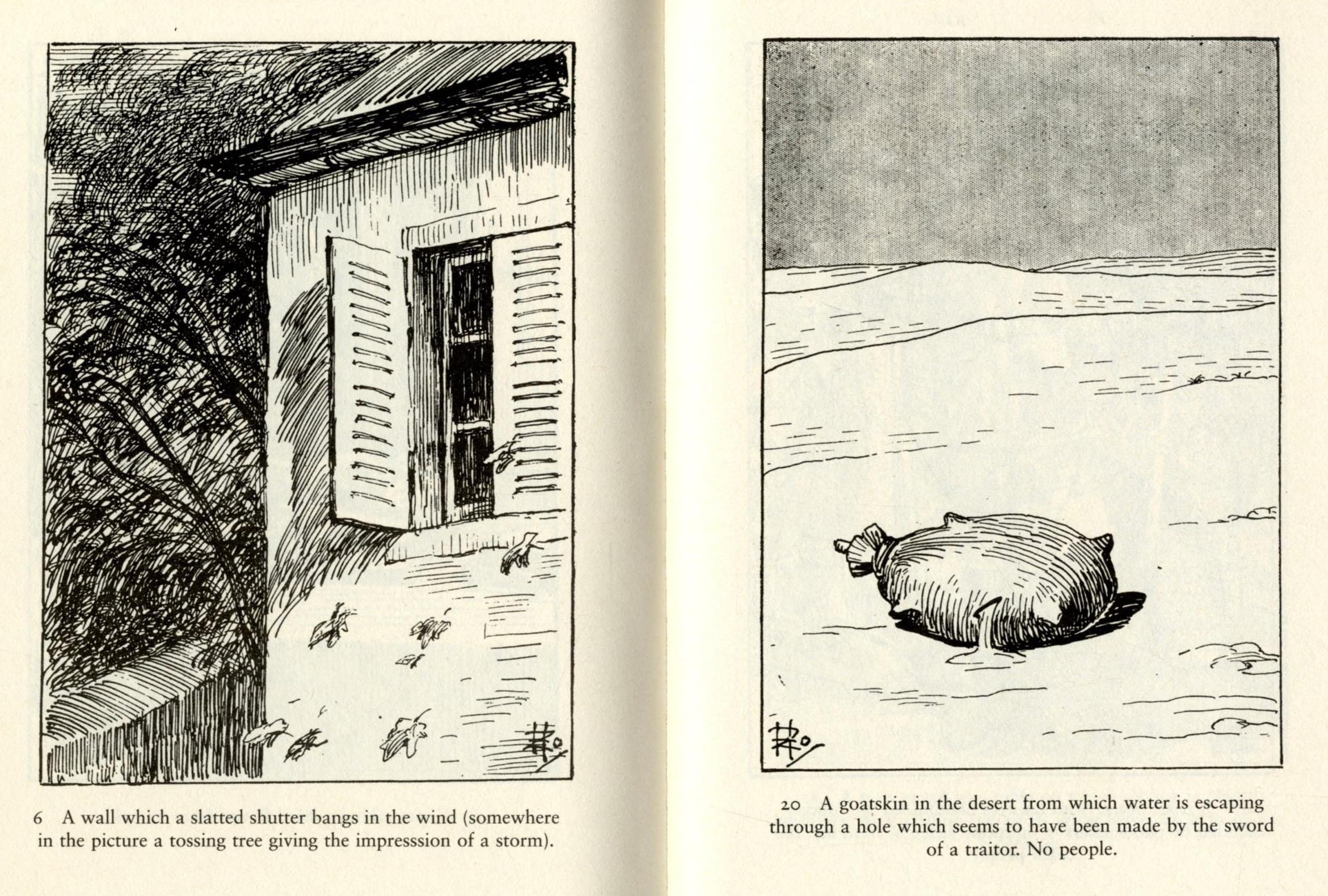
Additive Specific Combination
words amplify or elaborate the image
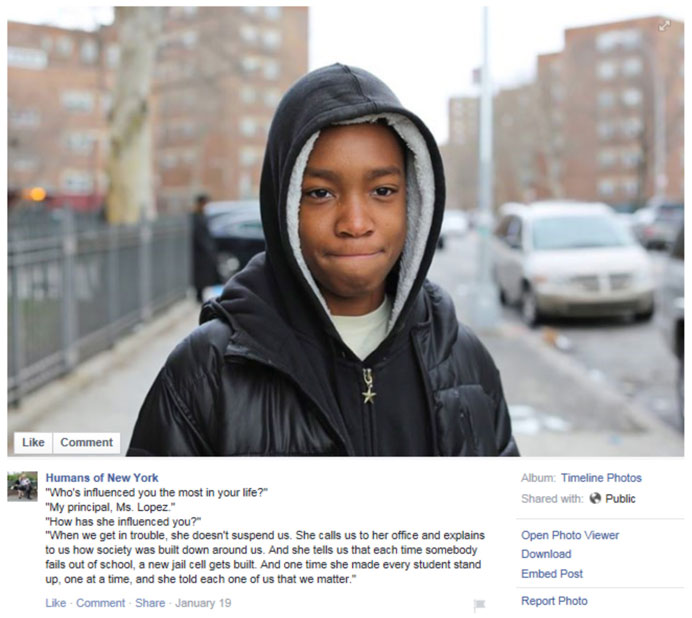
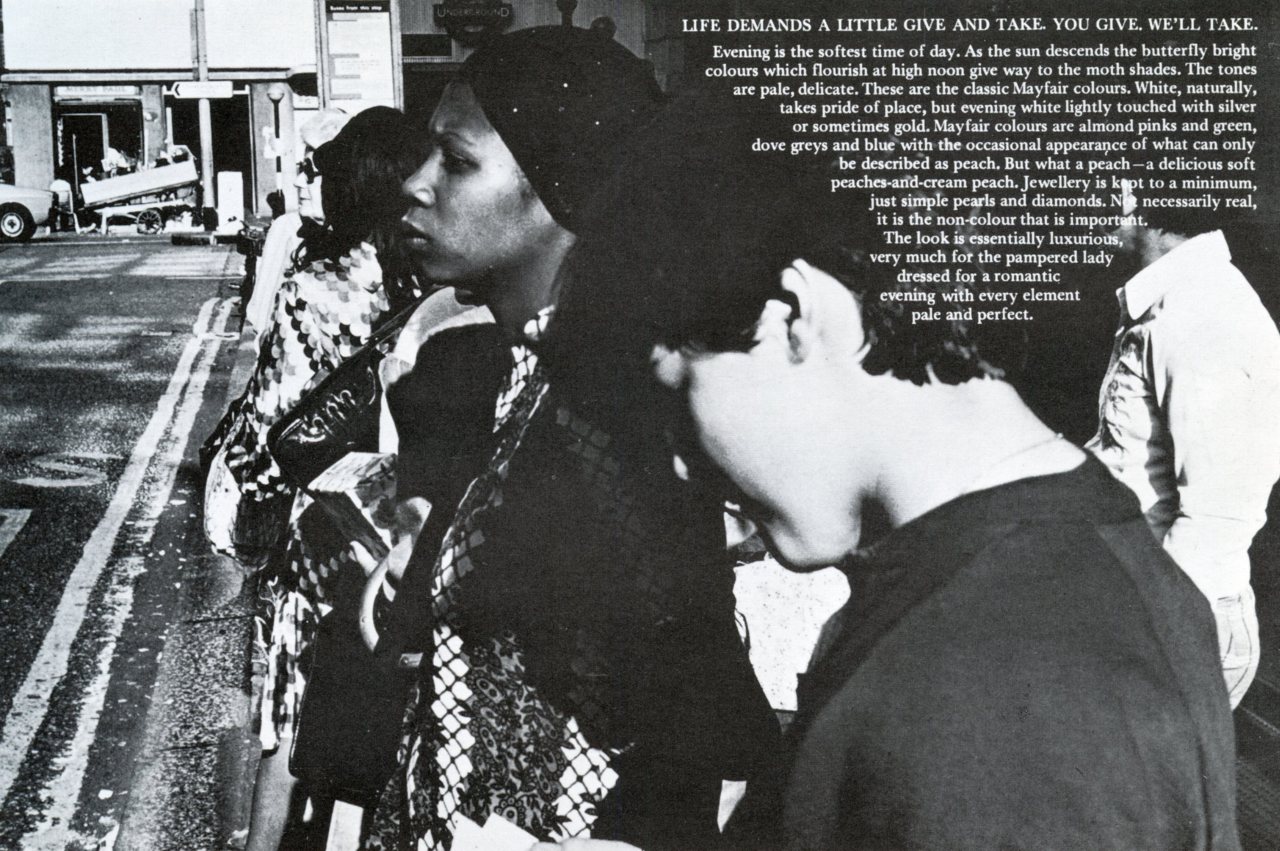
Parallel Specific Combination
words and images do not intersect
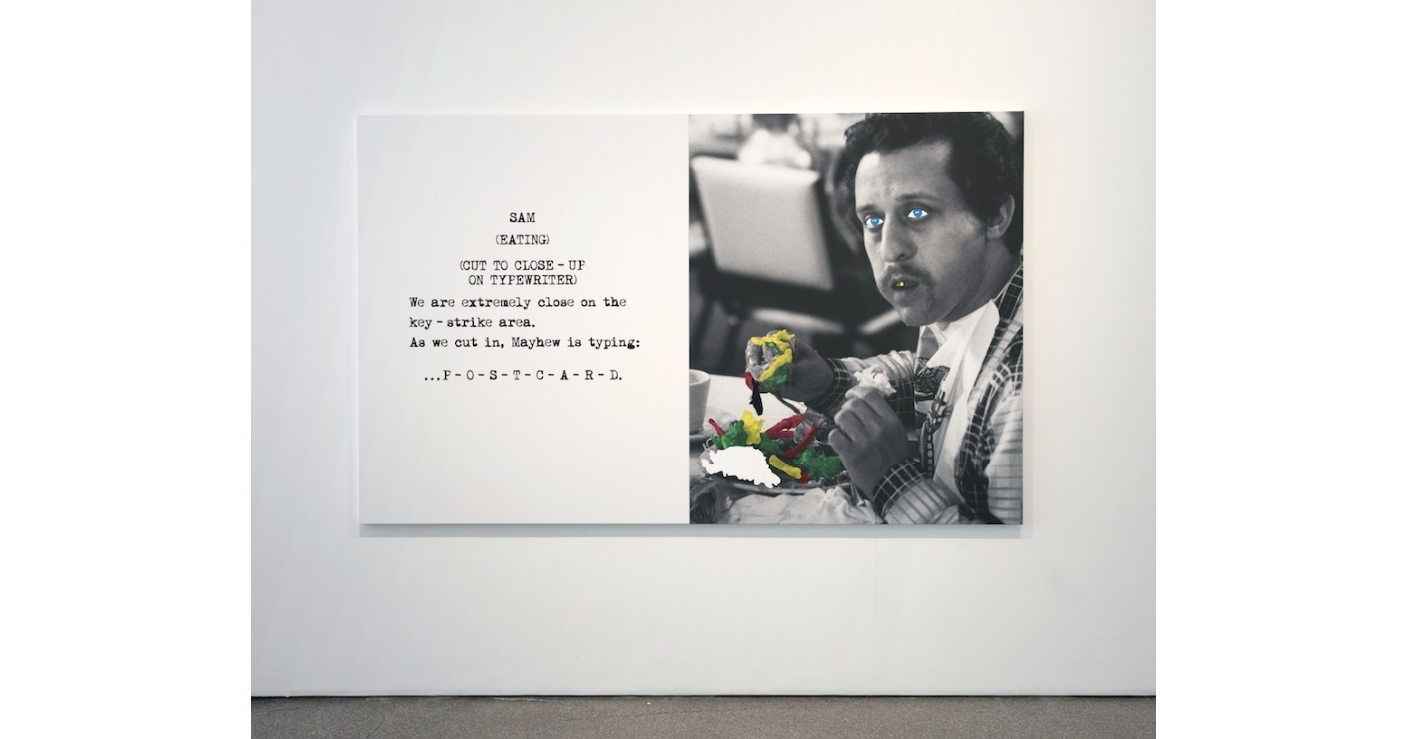
Montage Specific Combination
words are an integral part of images
Samantha Gorman and Danny Cannizzaro, Pry
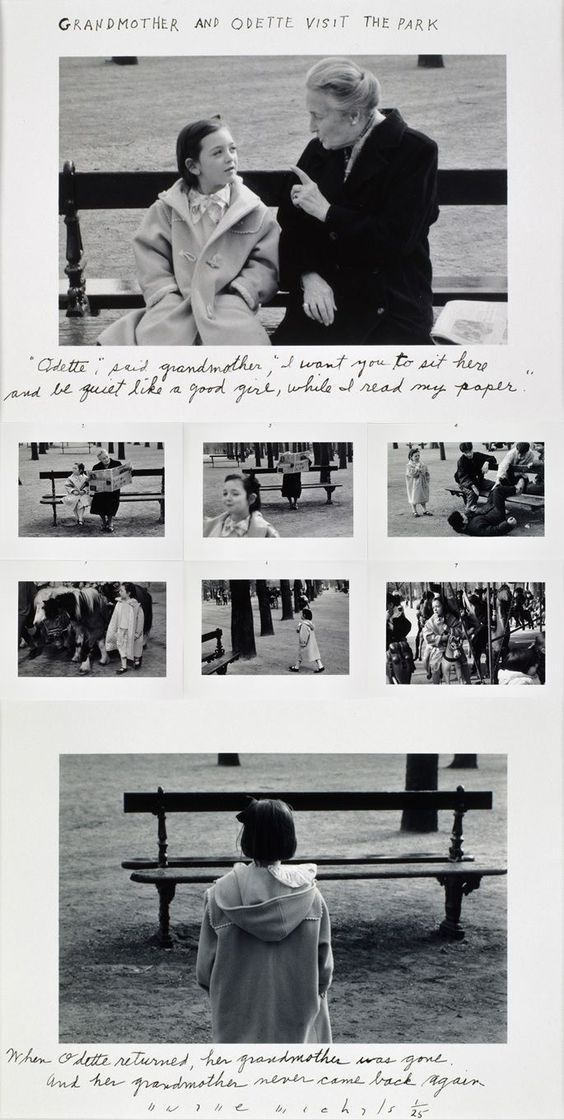
Interdependent
words and images work together to convey an idea each could not convey alone
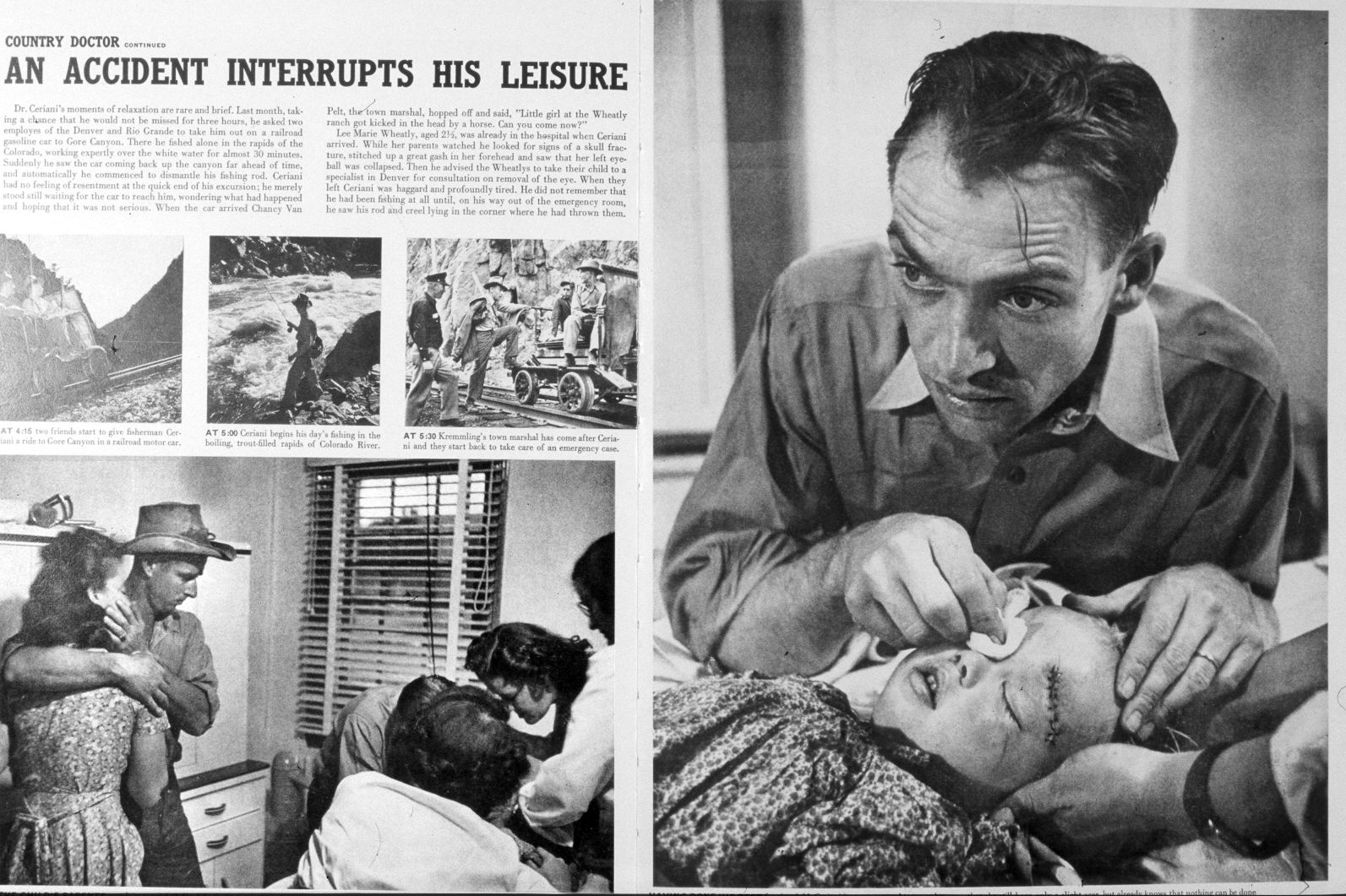
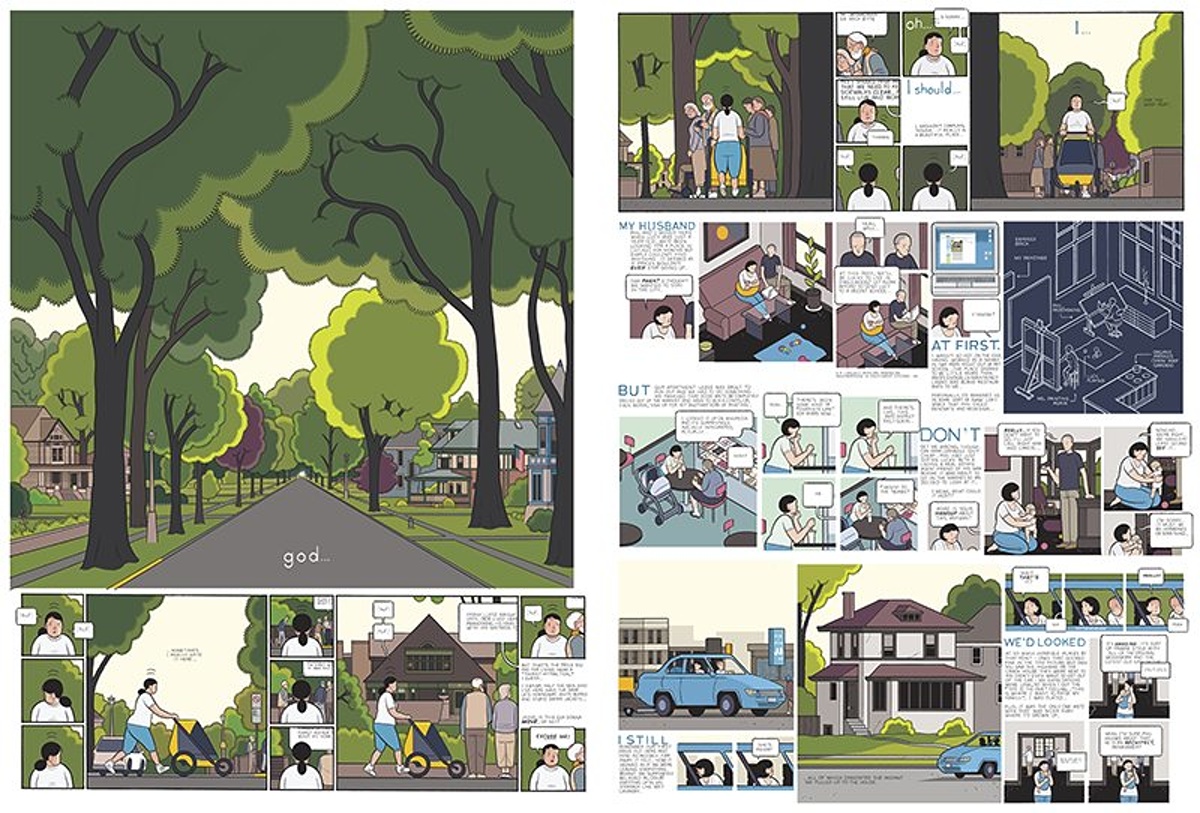
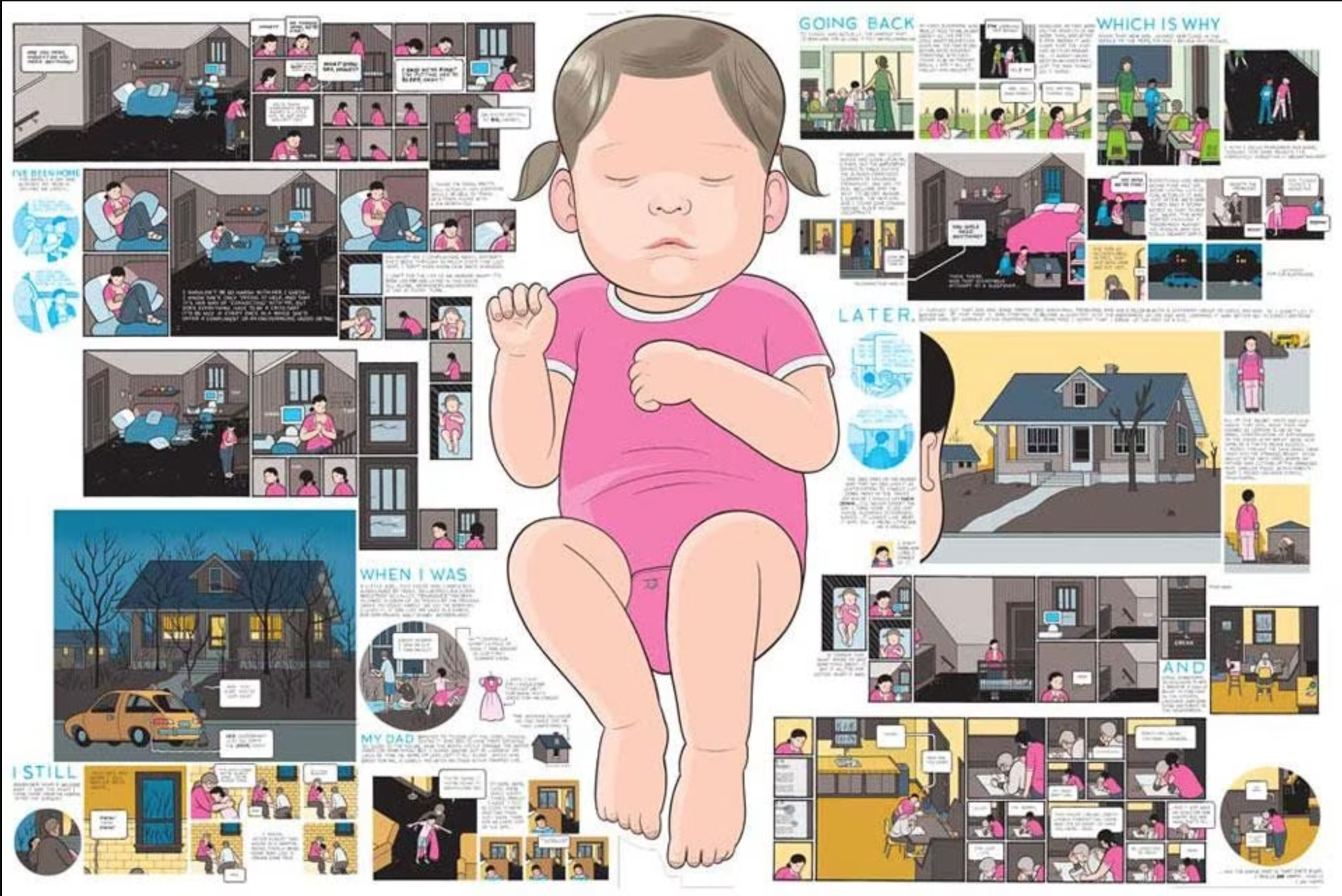
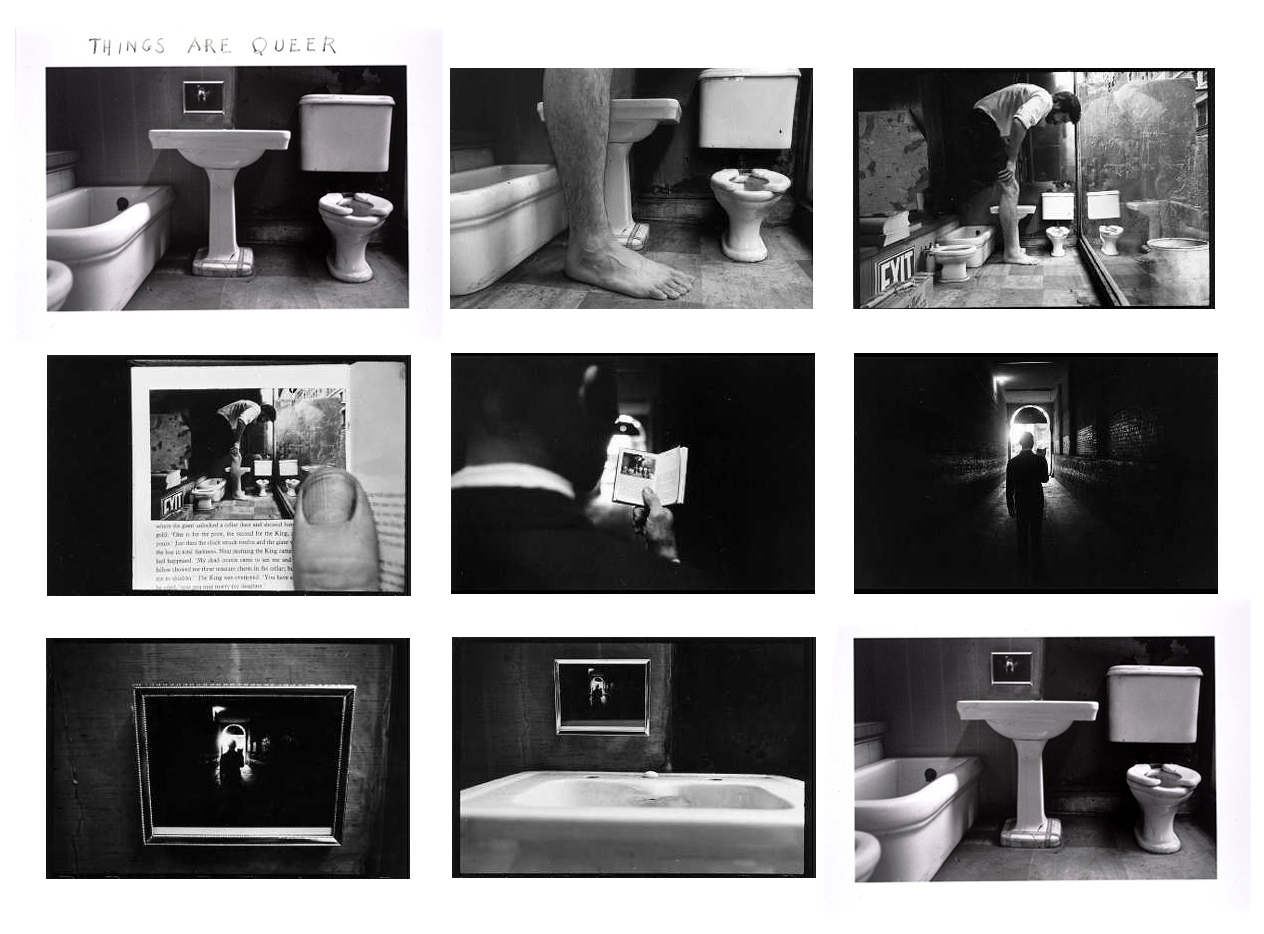
Duane Michaels
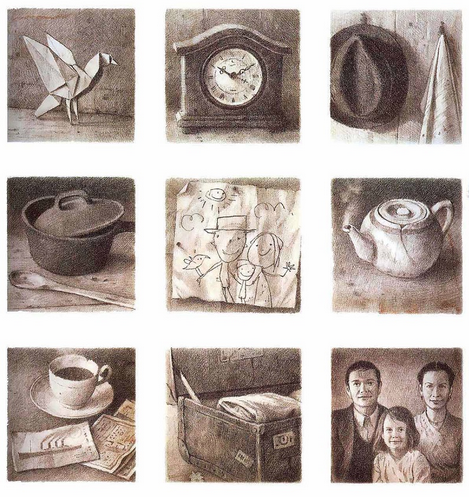
Shaun Tan, The Arrival
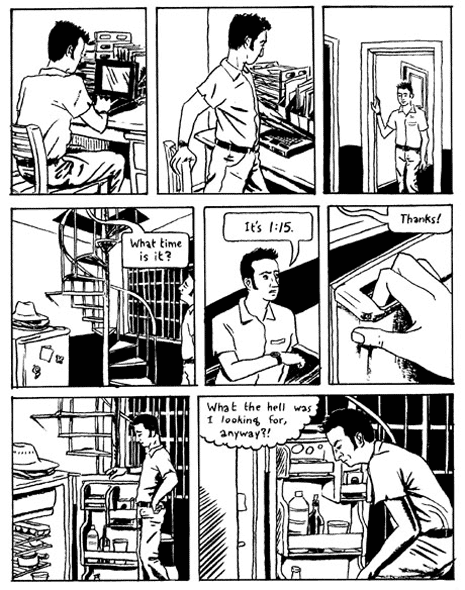
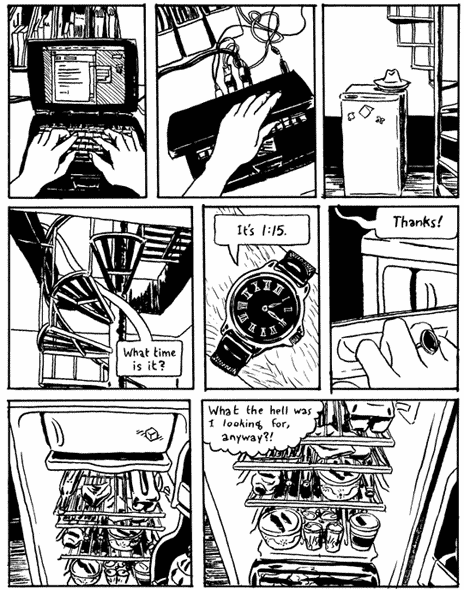
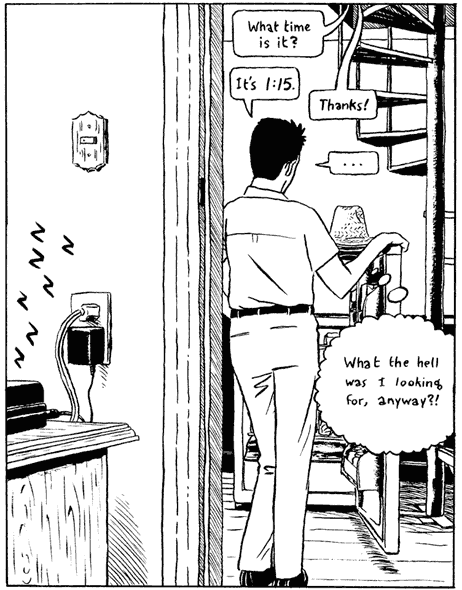
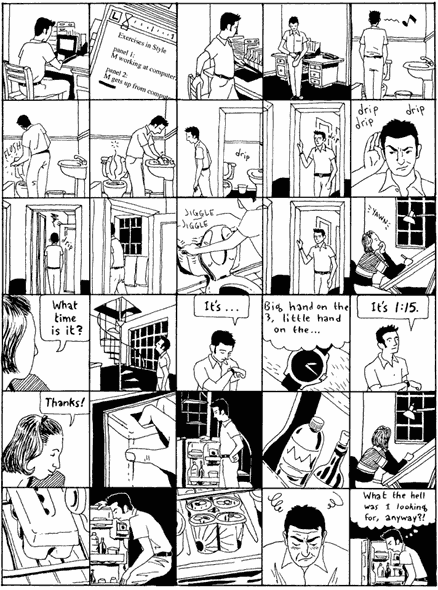
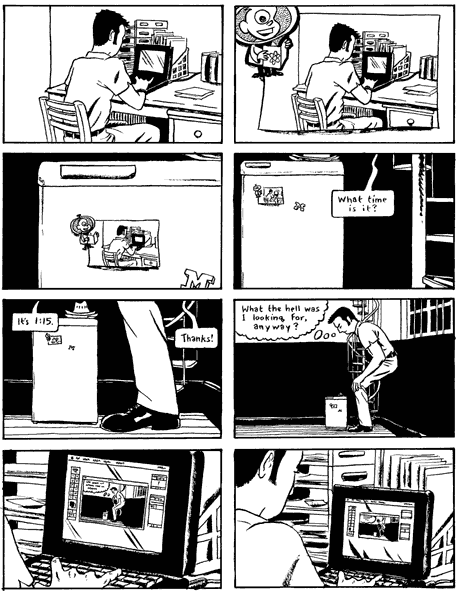
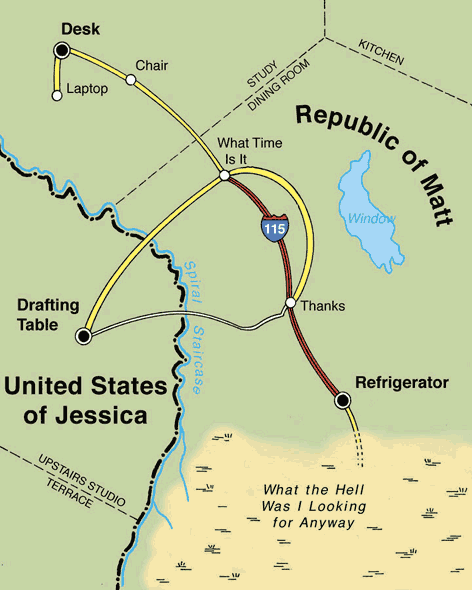
99 Ways to Tell a Story by Matt Madden
Visual Narrative Assignment 10%
DUE March 7
We have discussed many strategies/approaches to visual narration and how story time — events and incidents, actions and reactions — can be made visible and relational in pictorial space through:
- single frame composition
- scroll navigation
- nonlinear navigation
- panel-to-panel relationships
- cinematic sequence
- spatial (simultaneous) montage
In this assignment, you are to use images to tell a story. The images may include symbols, shapes, colors, drawings, graphics, photos and/or video. Your images may be accompanied by text (narration or dialogue), but images and their spatial relationships should drive the narrative, not the text.
In other words, try not to make illustrations for a pre-written script. Instead, investigate new ways to organize images — on the single page and from page to page — in order to get across your particular visual story. Remember, the pictorial frame and the user’s navigation of the frame(s) are elements of visual storytelling.
Please don’t worry too much about the quality of images. Use your pencil, phone camera, AI image-generation, public domain image downloads. Play with Photoshop or Illustrator. Use Google Slides or just load the images and captions into a blog post. Remember that you can take any of these short assignments and complete them as your final project.
Ideas for the Visual Narrative assignment:
- an animated story
- a short comic
- a "collage" story book like the surrealist Max Ernst
- a photo story
Storyboarding: download and print storyboard paper
Project Tools
- index cards - sort story segments
- illustrator/photoshop/AI image generation
- google slides/powerpoint/html