




The way women have been depicted in the media throughout history has certainly gotten better and more realistic over time. Still, today there are remnants left over from discriminative stereotypes in the media that depict women as something they are not. These remnants are not always obvious, but once you begin looking for them you will notice just how shockingly frequent they occur. The strange poses women are put in that we have become so used to seeing, the unnecessary revealing clothing they are wearing, the way a majority of the women you see in the media's sole purpose relies on a man's existence. Even when a woman is depicted as “strong” or “powerful”, she is almost always looked upon as a joke, hyper sexualized, or portrayed as a rude person. This is only without mentioning the different ways a woman may be sexualized or ridiculed in the media solely based on her body type, sexuality, or skin color. Understanding these incorrect portrayals of women in media is incredibly important as the more people who acknowledge their existence the more likely we will be able to do something about them and make change. In reality women are people with feelings, personality, and empathy, and it is important that this is shown in future media as a way to stop the spread of discriminative stereotypes.
Before further discussion, it is important to mention that different forms of media have the ability to portray a person in different ways. For example, books describe what a person looks like while a film just shows it. For the sake of clarity, only visual media like movies, shows etc. will be used in this discussion. It is also important to note that this analysis is specifically on US media. Often women are portrayed differently in media in different countries, so focusing on one place prevents confusion.
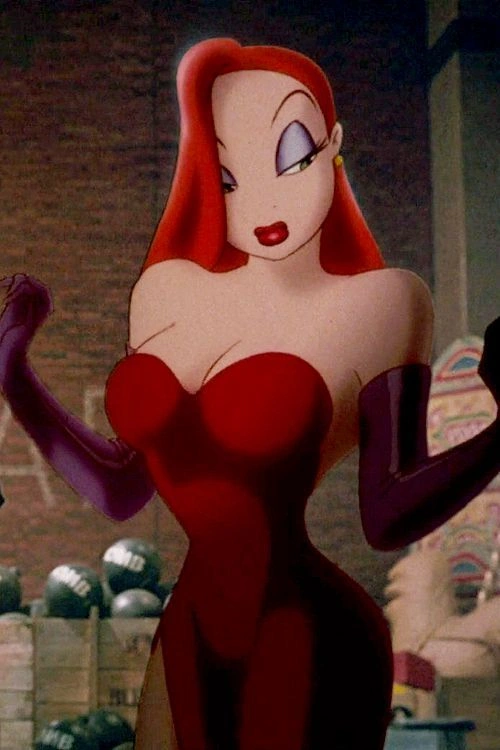
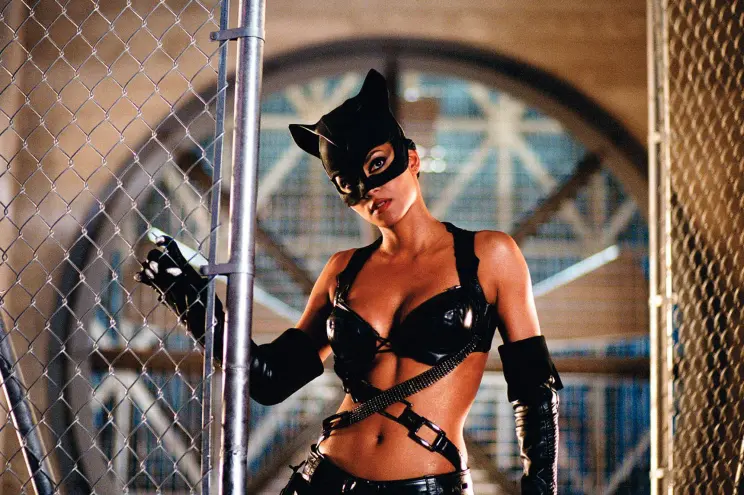
A woman's purpose in entertainment media is often correlated to the existence of a man or being a side character and/or love interest. Consider the Bechdel Test when watching media. Does the media have 2 female characters with names? Do they speak to each other, and do they speak about something other than a man? Another good habit to start when watching media is examining the female characters and asking yourself, “would this story be the same without this character?” More times than not you will come to the conclusion that yes, even if the female character did not exist the story would remain the same. Their character serves no purpose other than to be viewed, sexualized, or hated. In an honor thesis written by Jocelyn Nichole Murphy, it is mentioned that women in media are less likely to be presented in a work-related role or as a leader, and are more often shown to be younger than their male counterparts. They are shown to be dependent on others (often a male) and emotional (9). Women usually have little to no importance when shown in the media. Murphy also mentions how (at the time) a few movies had been released that included examples of important female lead characters. One of these movie examples was the Hunger Games, a movie which is worth discussing a bit more for the sake of understanding what makes a well portrayed female lead. In this movie (specifically the first one) the main character, Katniss Everdeen, is put into an arena of 24 people and must fight to the death till only 1 person is left. Although she does have love interests in this movie, it is not until closer to the end of the movie that we see them working together. Up until that point, Katniss had been surviving alone, showing how strong and knowledgeable she is. Even when she finally begins working with her love interest, she is still shown as a lead character and as strong. She does not rely on him, but rather he mostly relies on her, as she is shown to save his life multiple times. Still, even in most instances in media where a woman is shown in a powerful light, she is hypersexualized for it. Look no further than the mass amount of combat games to find evidence of this. While the men are shown in large bulky armor that covers and protects their skin, the women are put in hardly any clothing. Their chests, legs, and arms are usually bare, and are typically sporting a “metal bikini” type top. Even one of the most popular RPG games “World of Warcraft” is guilty of this. If the only powerful women we see in the media are sexualized, it could cause severe damage for any woman in the future who wants to take a lead position. It's likely she will be harassed more frequently, and sexualized without consent. Women can be and are powerful leaders, and it is important that we show this correctly in the media.
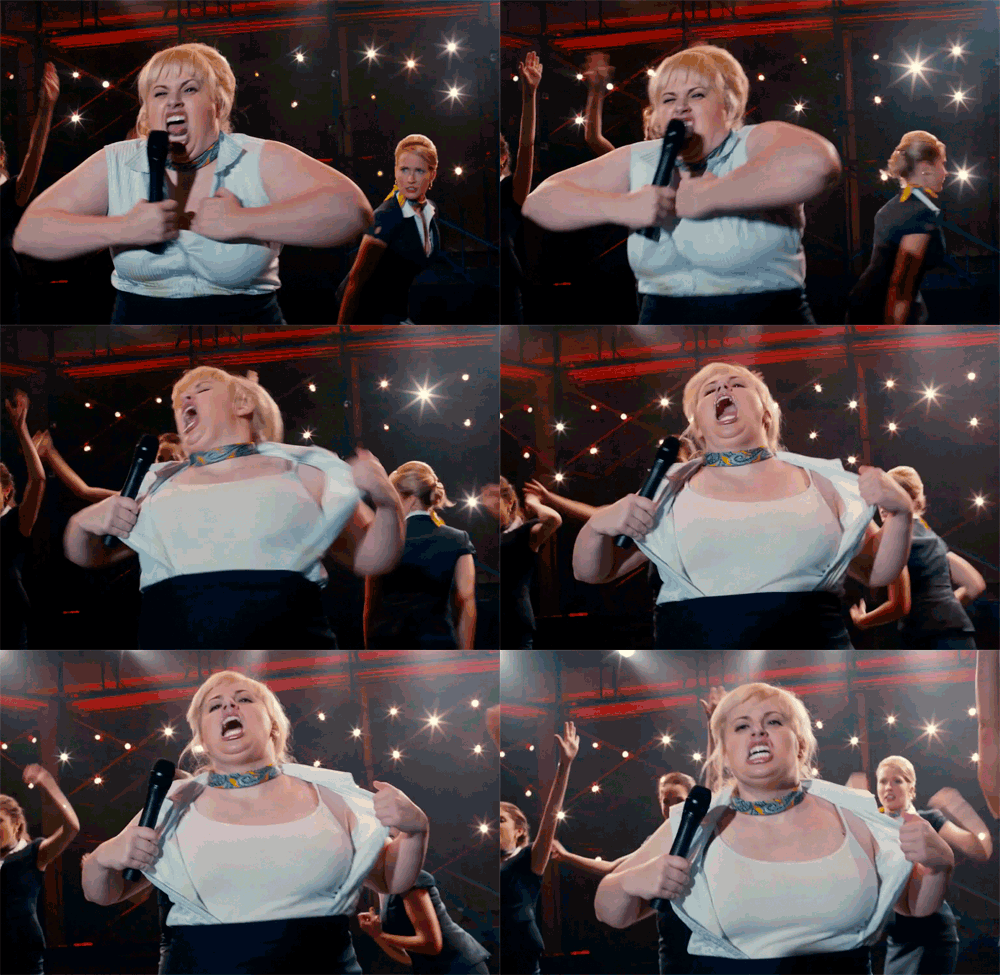
Plus-sized women experience strong stereotypes and are ridiculed severely as well when shown/portrayed in media. The stigmatization of plus-sized bodies is something that affects every plus-sized person, even men, but women are shown to receive this hate at a much higher rate than men. A woman's body is a largely sexualized part of her in the media, and when it does not fit into societal beauty standards she is often seen as undesirable. In a study done by Ana Jovancevic and Serbia Miljan, this topic was experimented on. In this study participants were to fill out questionnaires with questions related to images of people at a more skinny body size and in a more plus-sized body, as well as questions relating to the participants specific views of plus-size (1693). The results of this study showed that plus-sized women are considered to be more lazy, inactive, unhealthy, and unpopular significantly more than plus-sized men as well as thinner women and men (1695-1703). Each of these traits are common stereotypes attached to women in media. Consider the role of a plus-sized female character in any piece of media you watch. Often they will be the butt of the joke, something many people consider as the “fat comedic relief” as their sole purpose is to be laughed at and ridiculed. An example of a character like this is “Fat Amy” from the movie Pitch Perfect. In this movie her character is shown to be boisterous and flirtatious. This itself is supposed to be funny to the audience because she has been deemed undesirable by society's standards because of her weight, thus her trying to show interest in someone is considered humorous. You will also see the stereotype of plus-sized women being unhygienic in the media, when in reality weight has little to do with how hygienic you are. These kinds of female characters are in so many popular pieces of media, and continue to spread these negative stereotypes of plus-sized people. Plus sized bodies have little to do with who you are as a person, and are a majority of the time healthy and natural. The media is only setting unnatural and unhealthy standards and goals for women in real life.
Women that are shown to be part of the LGBTQ+ community in media are severely sexualized, specifically when a woman is shown in a relationship with another woman. Often gay female relationships are not portrayed correctly, but instead portrayed in a way that is more appealing to the audience, specifically catering to mainly the male gaze. In a Youtube analysis by the channel “verilybitchie” titled “The Lesbian Gaze”, it is mentioned just how much gay women are show to not be representation for other gay women but as something for men to view. The video talks about how you often see these women in sexual scenes, in unrealistic positions that specifically turn them towards the camera so the audience can see them better. Intimacy is usually not shown between the two women, even in moments when they are having sex. The women most of the time have completely shaved body hair as well. This shows how these women are meant to be more of an object for the male audience to sexualize rather than real characters with depth. In an academic journal written by Arienne Annati and Laura R. Ramsey, people's views of lesbian tropes and stereotypes in media is studied. Their study found that, according to their participants, the most common trope of lesbians in the media was that the woman being a lesbian was just a phase, before she goes back to being heterosexual (19). The most common stereotype of lesbian relationships was reported to be that the relationship moves too fast (20). Both of these cater to the male gaze when shown in media, as the most common trope allows the woman to participate in sexual acts with another woman, before going back to a man. The most common stereotype pushes lesbians through relationships quickly, thus skipping over more intimate things like getting to know one another and moving quickly to more sexual things. Similar to the damage that the sexualization of powerful women causes, the sexualization of gay women puts them in harmful paths of getting sexually harassed or assaulted more often. Representation is incredibly important in the media, but it can be useless and more often harmful if it is done incorrectly.
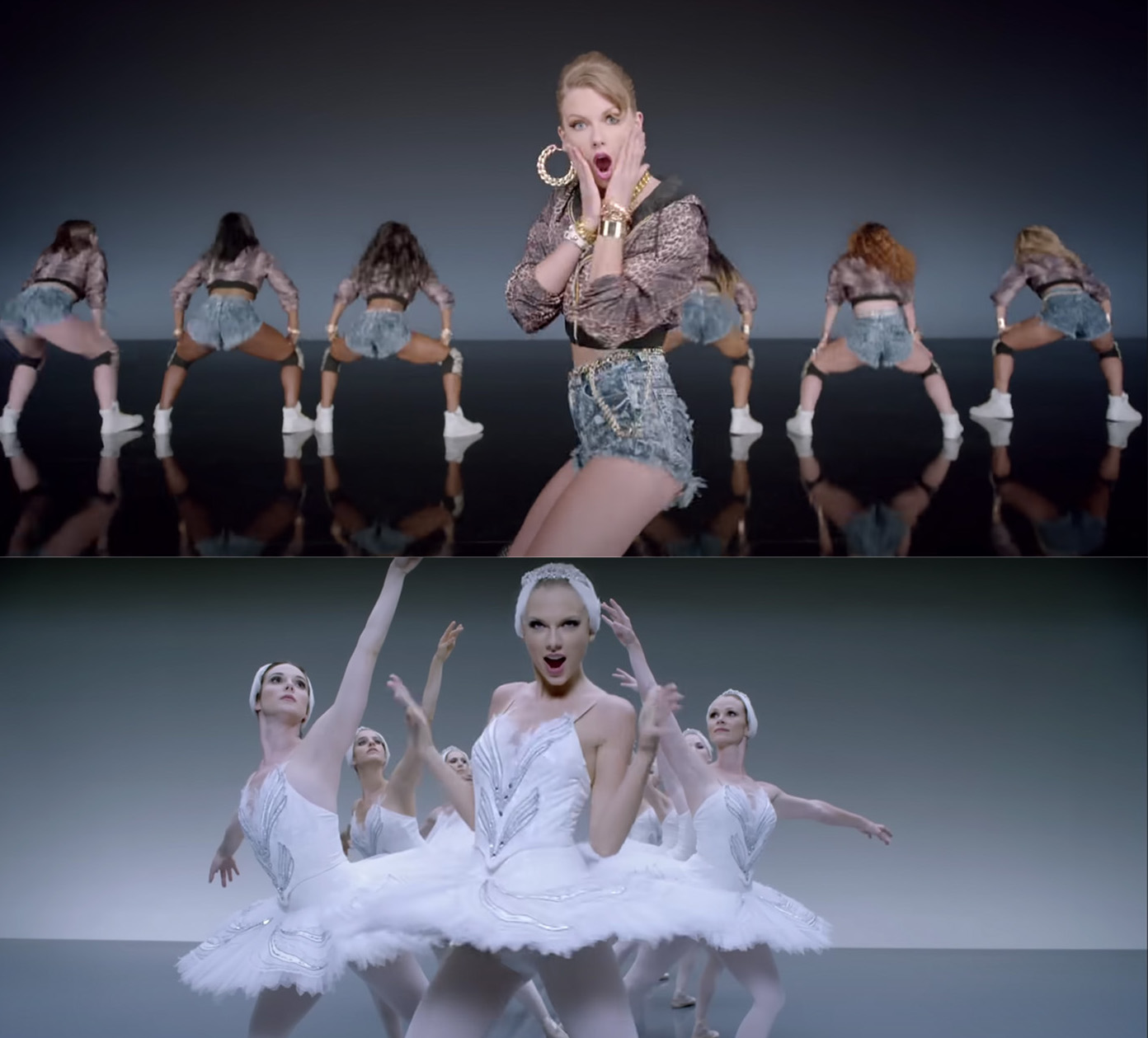
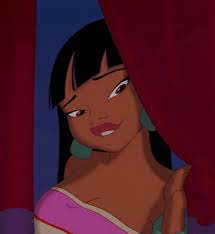
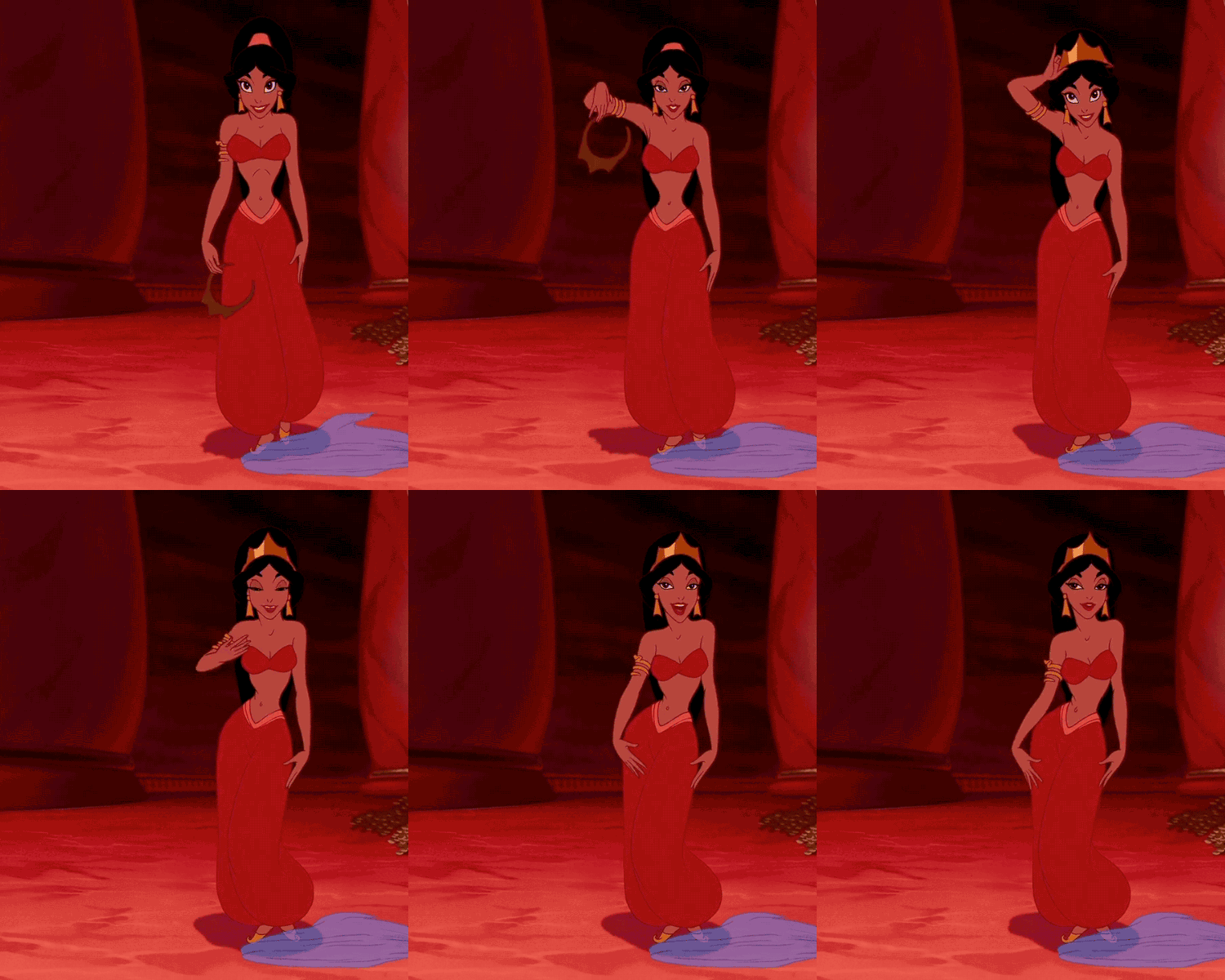
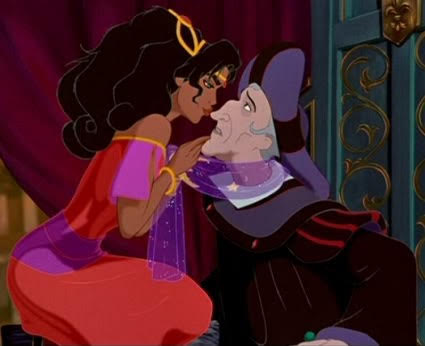
The skin tone of a woman can greatly change the way she is perceived in media. Though each race experiences ridicule and sexualization in the media differently, generally speaking women of color experience it quite more severely. For the sake of clarity the use of “women of color” in this section is referring to a woman that has a darker complexion. Colorism is a very prominent issue in media, as people with darker skin tones are constantly put in a negative light or hypersexualized. An interesting observation on the sexualization of women of color is shown when comparing it to how white women are sexualized in media. White women are often sexualized through their purity and innocence, they do not mean to seem or act “sexy”. Women of color on the other hand are often shown being sexual on purpose, thus they are sexualized more harshly in the media. They are also ridiculed more harshly for their own sexualization as they are seemingly doing it on purpose, whereas white women are not because it is seen as not purposeful or an “accident”. In a study done by Jacob S. Turner, examining specifically music videos and the sexualization of the people in them, it was found that black people in are more likely to be sexualized than the white people, and out of all the categories of people being studied in the music videos (white women and men, black women and men), the black women are the most likely to be shown in provocative clothing (186). Even with this information, women of color are severely underrepresented in the media. This means that women of color are not shown frequently, but when they are they are usually hypersexualized and ridiculed for it. Again, this creates a dangerous environment for women of color in real life.