Why 3D Models?
The NEXT shares its physical archives without the need for the public to travel long distances to
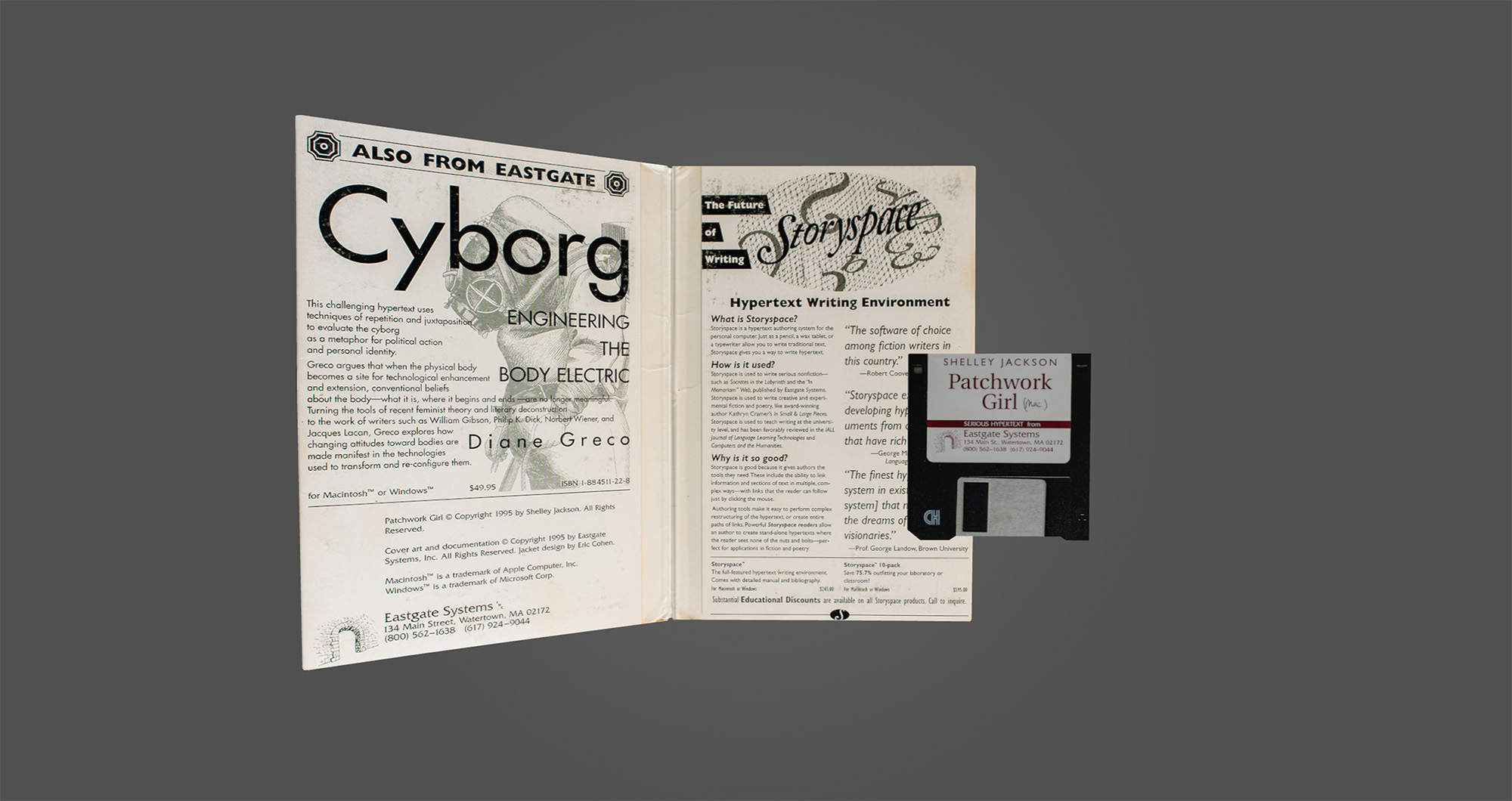
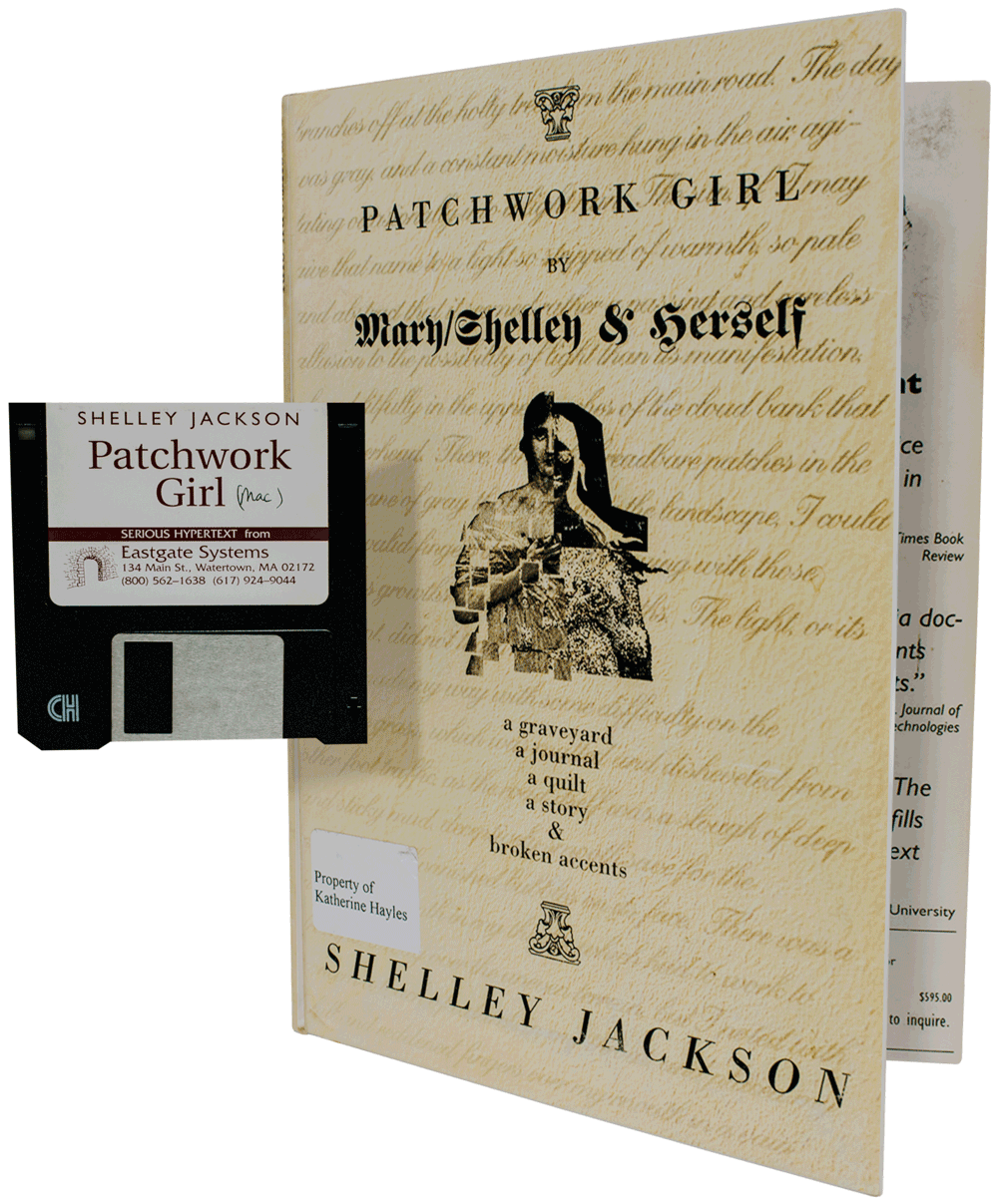
access our materials. We accomplish this goal by re-creating our physical archives as carefully-crafted
3D modelled replicas of the original. We retain all marks of age and human-handling and work to evoke
as many sensory modalities as possible, common to the artifact, so that the public can have a visceral
experience with the artifact. The hard hat Rob Wittig wore when performing Invisible
Seattle in
the early 1980s, for example, shows scuff marks, and in the Virtual Reality environment, you can place
the hat on your head and get a sense of what it is like to have worn it in performance.
Why Virtual Reality?
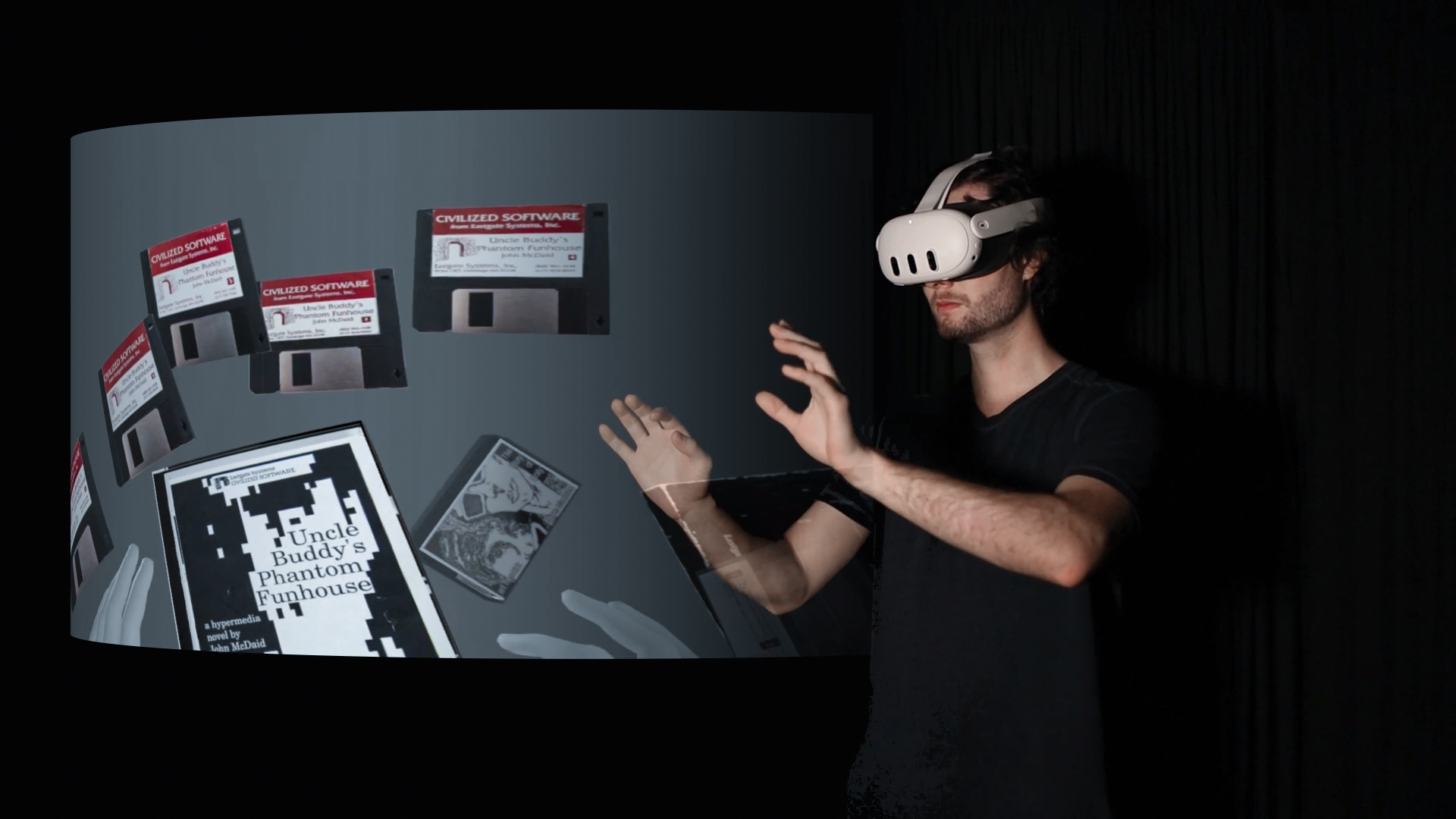
Along with interacting with our physical artifacts via the Web browser, we want the public to be
immersed with them in a Virtual Reality experience where the screen of a computing device does not
create distance or the feeling of separation with the object. Our approach means you can hear the sound
of CD-ROM jewel cases opening and snapping shut and hold a 3.5-inch floppy disk in your hand and
inspect it by turning and rotating it. The Virtual Reality environment also makes it possible to pull
in the born-digital works The NEXT collects along with video clips, images, and other contextualizing
elements to enhance your understanding of the archives held in our growing collection.